About the Persian cat
The Persian cat is one of the most recognisable and admired breeds in the world. With its long, flowing coat, round face, and calm, affectionate nature, the Persian has been a symbol of elegance and comfort for centuries. Whether it's curled up on a favourite cushion or gazing at you with those large, expressive eyes, a Persian cat brings a sense of quiet luxury to any home.
What is a Persian cat?
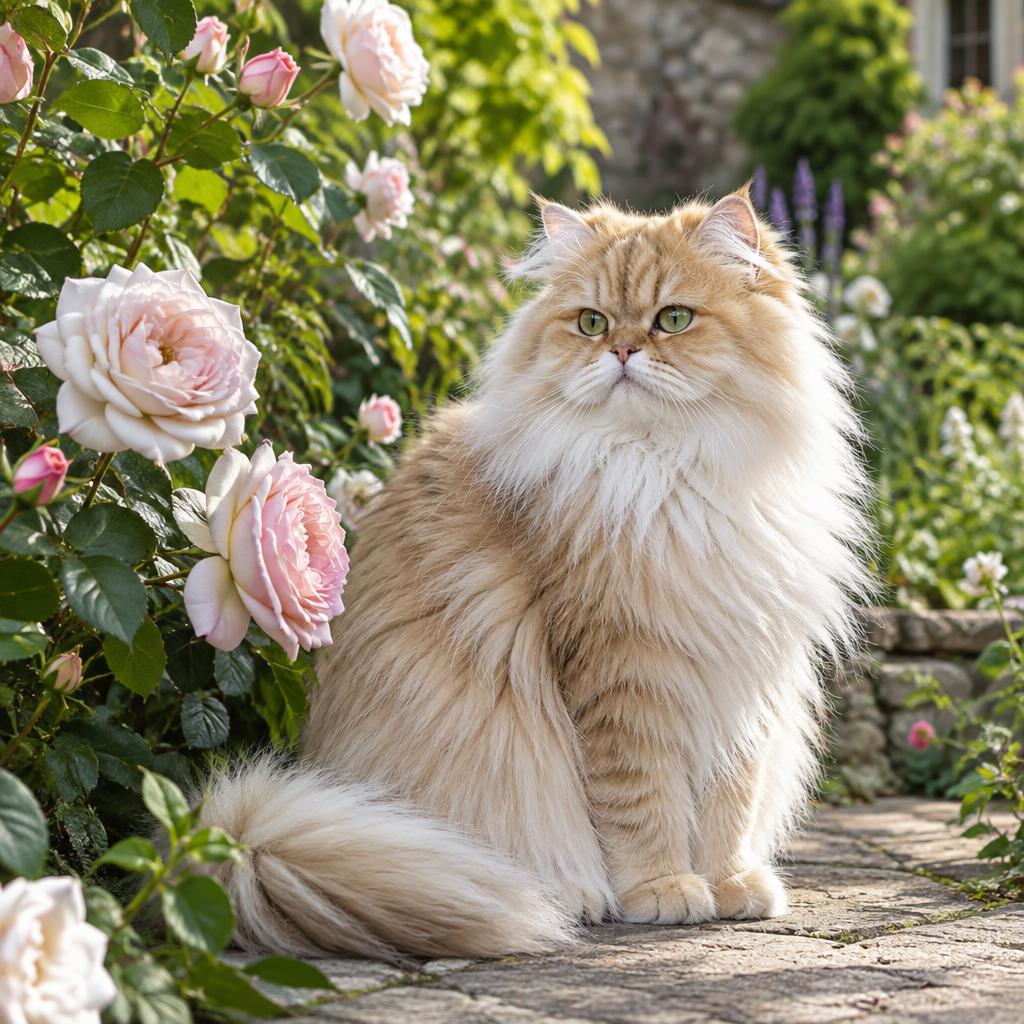
The Persian cat is a long-haired breed known for its dense, silky coat, sweet round face, and gentle personality. It's a medium-sized breed with a sturdy, "cobby" body — broad and low to the ground — with short, thick legs. Its most famous features are that luxurious fur and its flat, open face with big round eyes.
Persians are calm, quiet and people-loving. Unlike more active breeds, they prefer a relaxed indoor life and form deep, loyal bonds with their families. This blend of beauty and a mellow temperament is exactly why the Persian cat has stayed a favourite for generations.
History and origin of the Persian cat
The Persian cat traces its roots to the ancient Persian regions and the surrounding lands of the Middle East. Long-haired felines had lived in this part of the world for centuries, prized for their thick coats and elegant looks.
According to popular history, these long-haired Persian cats were first brought to Europe in the early 1600s. The Italian traveller Pietro della Valle is often credited with introducing them from Persia to Italy around 1620, while similar long-haired felines arrived from Turkey. Europeans were captivated, and they quickly became prized companions among the wealthy and aristocratic.
The Persian truly rose to fame in Victorian England. Long-haired Persian cats were among the stars of the very first formal feline show, held at London's Crystal Palace in 1871, and Queen Victoria's love of Persians helped make them a symbol of status and refinement. In the twentieth century — particularly in North America — selective breeding gradually produced the flatter, rounder "show" face now associated with modern Persians, and for decades the breed remained among the most registered pedigree breeds in the world.
What makes the Persian cat special
The coat
A long, thick double coat that's soft, flowing, and available in a huge range of colours. It's the first thing people notice and the reason the breed looks so luxurious.
The face
A round head, full cheeks, a short nose and large, wide-set eyes give the Persian its famously sweet, open expression.
The temperament
Gentle and undemanding. Persians are content to relax quietly beside you, which makes them wonderfully soothing companions.
The presence
This is what earns the Persian the word "aristocratic." It carries itself with a quiet dignity and a serene, unhurried air that fills a room without any fuss.
Persian cat at a glance
| Breed group | Long-haired |
| Origin | Persia |
| Size | Medium |
| Weight | 3–5.5 kg (7–12 lb) |
| Coat | Long, dense double coat Persian cat |
| Colours | Many — solid, tabby, bicolour, calico, colourpoint and more |
| Temperament | Calm, gentle, affectionate, quiet |
| Energy level | Low |
| Lifespan | 12–17 years |
| Grooming needs | High (daily) |
| Good with families | Yes, in calm homes |
Types of Persian cat
While all Persians share the same gentle nature and long coat, you'll come across a few different types.
Traditional / Doll-face Persian
The original look, with a more moderate, slightly longer nose and a natural, open face. Many owners prefer this type for its healthier facial structure and classic appearance.
Show / Peke-face Persian
The modern show style, with a much flatter face, a very short nose, and an extremely round head. Strikingly cute — but this flatter face needs extra daily eye and wrinkle care.
Himalayan
A colourpoint Persian created by crossing Persians with the Siamese breed. Himalayans have the Persian body and coat but the darker "points" (ears, face, paws and tail) and blue eyes of a Siamese.
You'll also hear colour-based names — such as the blue Persian, white Persian, black Persian, calico Persian, and silver or golden "chinchilla" Persian. These describe the coat rather than a separate breed. ("Teacup" or "miniature" Persians are simply smaller-bred Persian cats and aren't a recognised type.)
Persian cat personality and temperament
If you want a Persian cat that's calm, quiet and endlessly affectionate, the breed is hard to beat. Persians are famously placid — they love to lounge, enjoy gentle attention, and rarely cause chaos. They aren't big jumpers or climbers; they'd much rather stay comfortable at ground level, close to their people.
Persians bond closely with their families and show love in soft, subtle ways: a gentle head-butt, a quiet purr, or simply choosing to sit beside you. They have soft voices and dislike loud, hectic environments, so they do best in peaceful homes with a steady routine.
Read the full personality & behaviour guide →Persian cat appearance
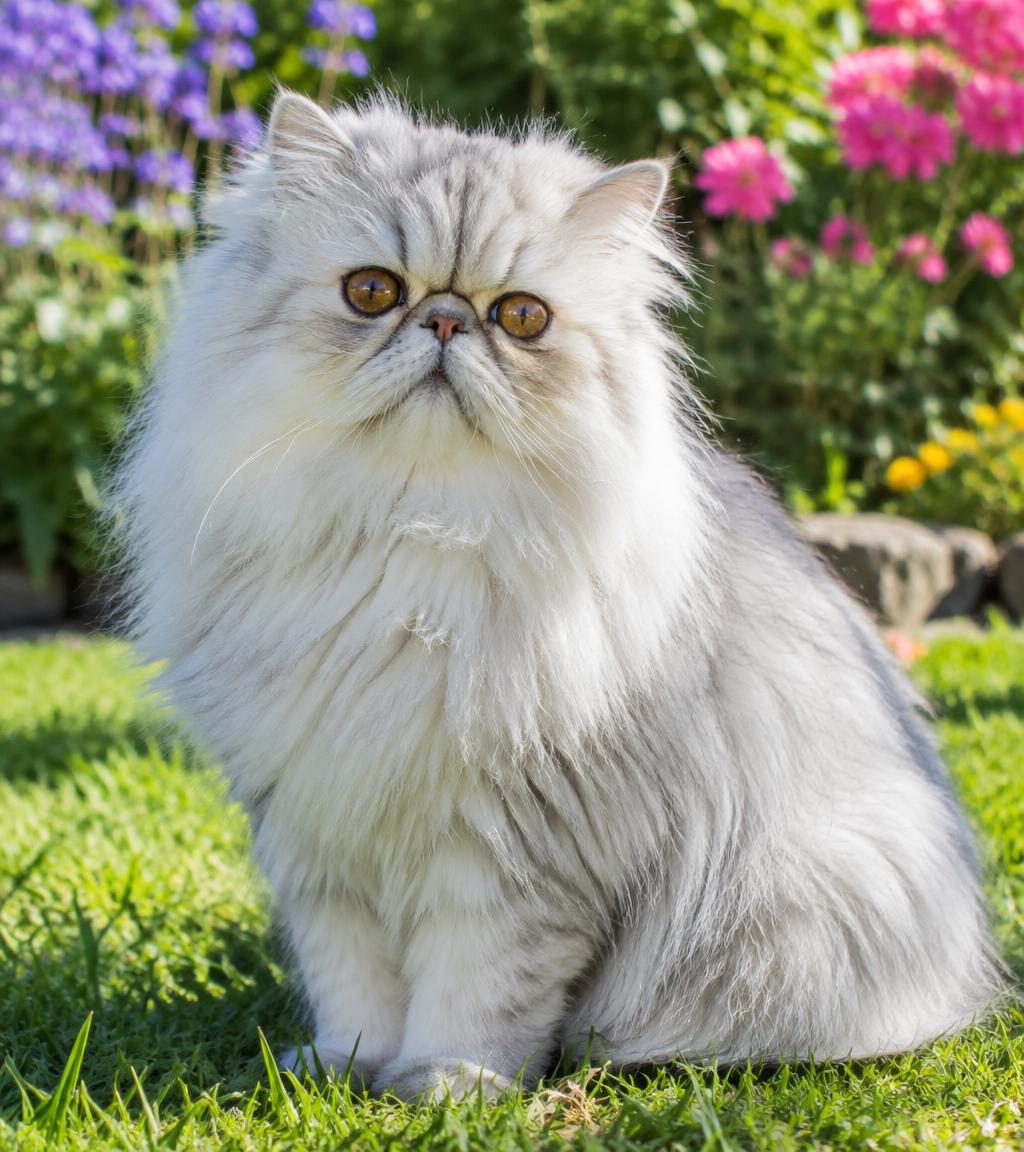
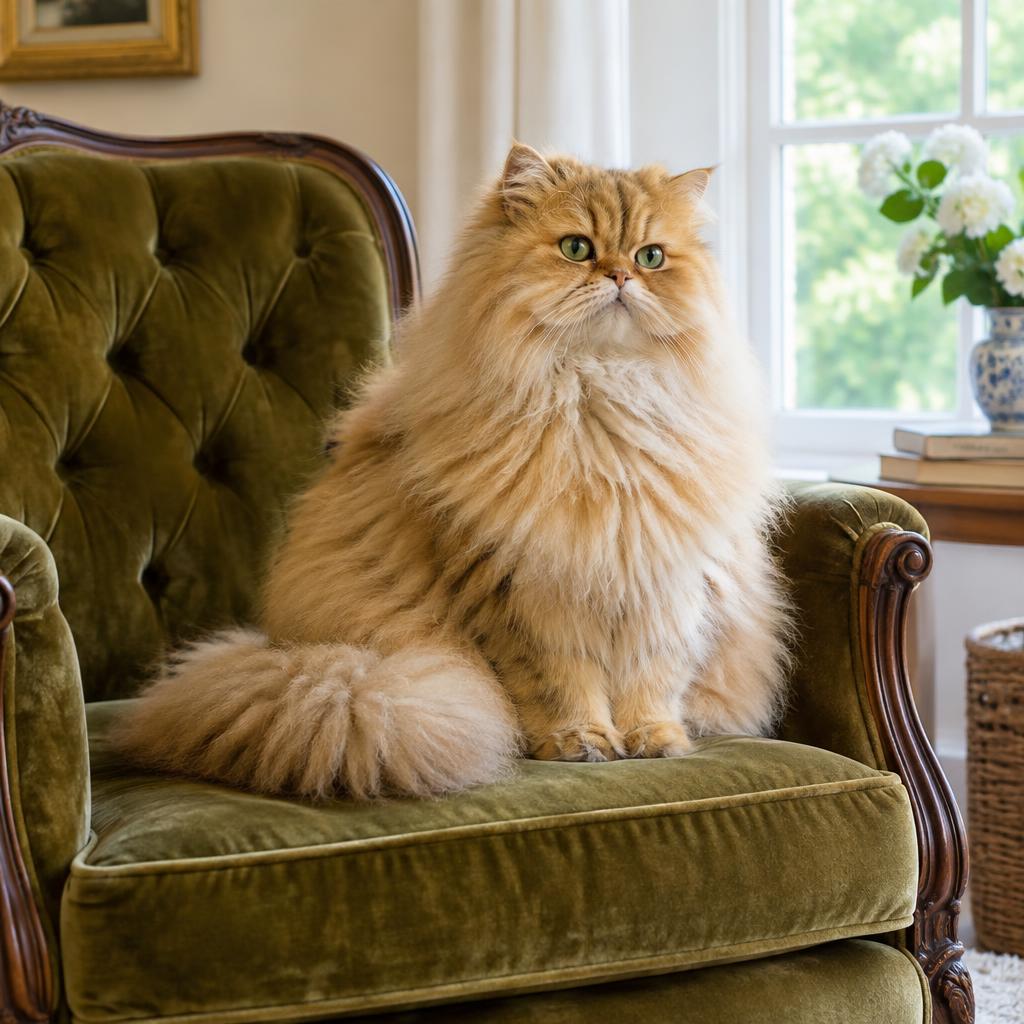
The Persian's beauty comes from its plush coat and rounded features. The double coat is long and dense all over the body, with a full ruff around the neck and a bushy tail. Colours and patterns are almost endless — from solid white, black, blue and cream to tabby, tortoiseshell, calico, smoke, shaded silver and colourpoint.
Beneath the fur, the Persian has a broad, cobby body, a large round head, small rounded ears, and big eyes that may be copper, blue, green or odd-coloured depending on the coat.
Explore every colour and coat type →Is a Persian cat right for you?
A wonderful choice if you want
- Quiet households and apartments
- First-time owners who want an easy-going pet
- Families with gentle and respectful children
- Seniors or anyone wanting a relaxed, affectionate companion
The main thing to weigh up
Grooming. That gorgeous coat needs daily brushing to stay mat-free, and the flat face needs regular eye cleaning. If you enjoy a little grooming routine as part of the bond, a Persian is a joy to live with. If you want a low-maintenance, highly active breed, another breed may suit you better.
Caring for a Persian cat
Caring for a Persian centres on three things: grooming, diet and a calm environment.
Grooming
Daily brushing keeps that long coat healthy and mat-free, plus regular eye cleaning for the flat face.
Diet
A high-quality, protein-rich diet keeps your Persian cat in good shape and supports that gorgeous coat.
A calm environment
A peaceful home keeps them happy, and regular vet check-ups catch the breed's known health conditions early.