
Breed guide
Persian cat personality & behaviour
The Persian cat is famous for its beauty, but ask any owner and they'll tell you the real magic is in its personality. Gentle, calm and quietly affectionate, the Persian cat is one of the most laid-back breeds you can share your home with. It won't climb your curtains or race around at midnight — instead, it offers steady, soothing companionship and a sweet, dignified charm all its own. This page explores what makes the Persian cat tick: how it behaves, how it shows love, how it gets on with people and pets, and how to keep it happy and well-behaved.
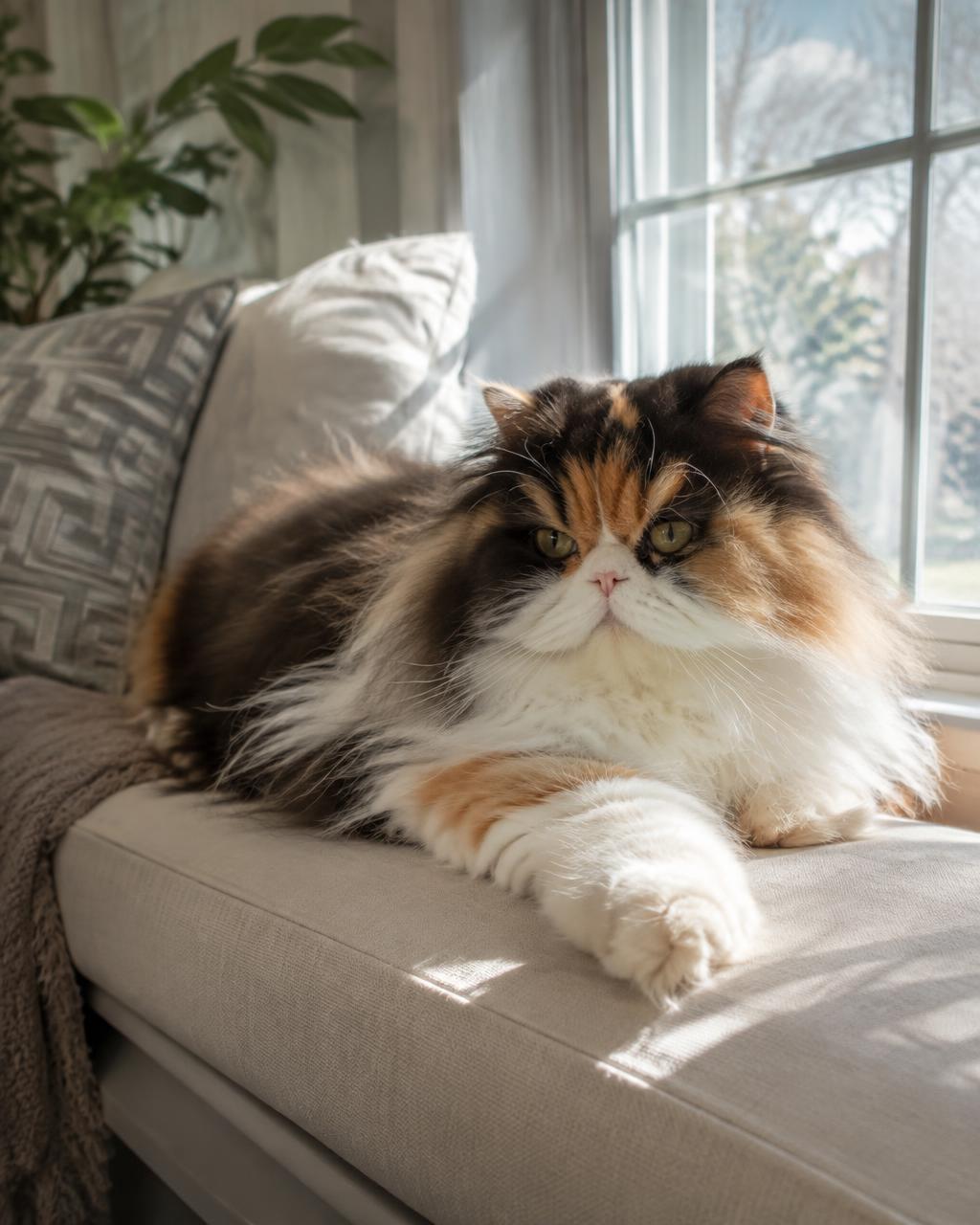
What is the Persian cat's personality like?
Persian cats are best described as calm, gentle and easy-going. They have a placid, even temperament and rarely show aggression or nervy, high-strung behaviour. Where some breeds are busy and demanding, the Persian cat is relaxed and undemanding — happy to spend much of the day lounging in a comfortable spot and watching the household go by.
This doesn't mean they're distant. Persian cats are warm and affectionate with the people they trust; they simply express it in a soft, dignified way rather than a loud or clingy one. It's this blend of calmness and quiet devotion that gives the breed its "aristocratic" reputation and makes it such a peaceful presence to live with.
Are Persian cats affectionate?
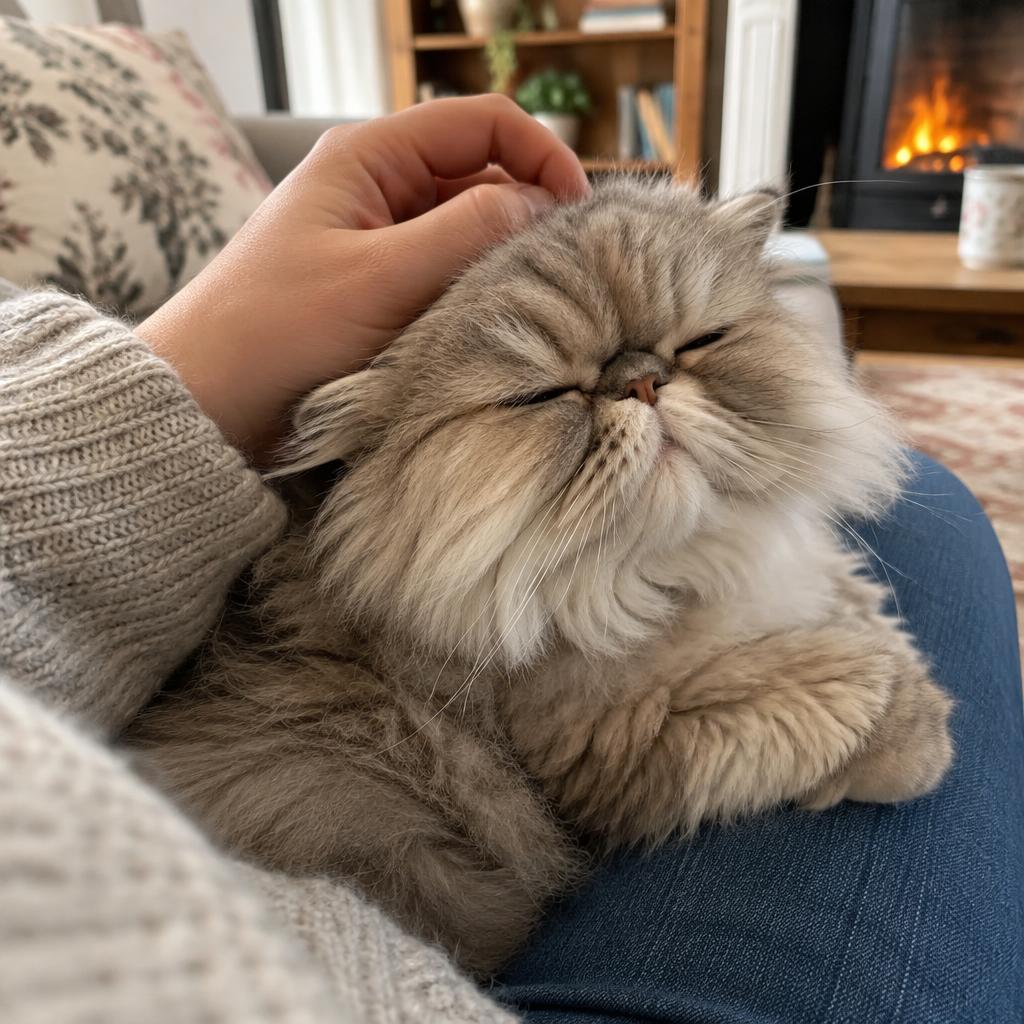
Yes — Persian cats are deeply affectionate, but on their own gentle terms. They form close bonds with their families and love to be near their people, often choosing to settle beside you or curl up on a warm lap. Many will follow you quietly from room to room just to stay close.
Rather than demanding constant attention, a Persian cat tends to ask for affection politely: a soft look, a gentle head-butt, or simply appearing at your side. They enjoy being petted and gently brushed, and they return the love with contented purring and calm companionship. For people who want an affectionate Persian cat without the neediness, the breed is close to ideal.
Activity level and play
The Persian cat is a low-energy breed. It enjoys short, gentle bursts of play but spends most of the day resting, dozing and relaxing. Persian cats are ground-dwellers by nature — they'd much rather stroll and lounge than leap onto high shelves or scale the furniture, so you'll rarely find one perched on top of the fridge.
That said, they do like to play. A wand toy, a soft ball or a gentle game of chase will bring out their playful side, especially in kittens and younger Persian cats. Play sessions are usually calm and brief rather than wild and acrobatic. Because they're not very active, it's worth encouraging a little daily play to keep your Persian cat fit and prevent boredom or weight gain.
Are Persian cats vocal?
Persian cats are quiet. They have soft, sweet voices and use them sparingly, so you won't often hear loud or persistent meowing. When a Persian cat does "talk," it's usually a gentle, musical sound to greet you or ask for something.
Instead of relying on their voice, Persian cats communicate a lot through body language and simply by being present. This soft-spoken nature is one reason they suit apartments and quiet homes so well — they're rarely noisy or disruptive.
Intelligence and trainability
Persian cats are intelligent and observant, even if they don't always show it in busy, attention-seeking ways. They learn the rhythms of their household, recognise their people, and quickly work out where the comfiest spots and best routines are.
They can be taught to use scratching posts, respond to their name, and even learn simple tricks or games with patience and gentle, reward-based encouragement. Persian cats aren't as driven to problem-solve as some highly active breeds, but they're far from unintelligent — they simply prefer a calm, unhurried approach to life.
Persian cats and their need for calm
If there's one thing a Persian cat truly values, it's a peaceful, predictable environment. Persian cats thrive on routine and can be sensitive to change — a house move, new furniture, loud parties, or a chaotic, noisy household can leave them feeling stressed and withdrawn.
Given a calm, stable home, the Persian cat is relaxed, confident and content. This is exactly why the breed does so well with quiet families, seniors, and anyone whose lifestyle is on the calmer side. Keeping things gentle and consistent is the single best way to bring out a Persian cat's happy, affectionate nature.
How Persian cats behave with people and pets
With their families, Persian cats are loving, gentle and loyal. They tend to be a little more reserved with strangers, often preferring to observe new people quietly before deciding to approach — but they're rarely fearful or unfriendly, just politely cautious.
Persian cats usually do well with gentle, respectful children who understand how to handle a Persian cat kindly, and they generally get along with other calm pets, including cat-friendly dogs, when introductions are made slowly. Their easy-going nature means they're seldom the ones to start conflict; a Persian cat would far rather retreat to a quiet spot than pick a fight.
Can Persian cats be left alone?
Persian cats are fairly independent and cope better with alone time than some more demanding breeds. Their laid-back nature means a Persian cat will often happily nap the day away while you're out. They can usually be left alone for a normal working day, provided they have food, fresh water, a clean litter tray and a comfortable, safe space.
That said, Persian cats do bond closely with their people and can feel lonely if left alone for very long stretches, day after day. If you're regularly away for long periods, consider a companion pet, a pet sitter, or plenty of quality time and gentle attention when you're home to keep your Persian cat feeling secure and content.
Common Persian cat behaviours and quirks
Living with a Persian cat comes with some endearing habits. Many love to sunbathe, seeking out warm, sunny patches to stretch out in. They often adopt the classic "loaf" position, tucking their paws beneath them as they rest. A Persian cat will frequently pick one or two favourite people and quietly shadow them around the home.
Some Persian cats are surprisingly particular — they may prefer a spotlessly clean litter tray, dislike having their grooming skipped, or turn their nose up at a food bowl that's less than fresh. And while they're calm most of the time, don't be surprised by the occasional playful "zoomie" or a sudden burst of kitten-like energy before they settle back into their relaxed routine.
Understanding Persian cat body language
Because Persian cats are quiet, learning their body language helps you understand how they're feeling. A relaxed, content Persian cat has a loose body, a softly carried tail, half-closed eyes and a gentle purr, and may slow-blink at you as a sign of trust. Signs of stress or unhappiness include hiding, flattened ears, a flicking tail, dilated pupils, or changes in appetite and litter habits.
Tuning in to these subtle signals lets you respond to your Persian cat's needs and spot early when something might be wrong.
Do male and female Persian cats behave differently?
Individual personality matters far more than gender, but owners sometimes notice mild tendencies. Male Persian cats are often described as a little more easy-going, laid-back and affectionate, while females can be slightly more independent or reserved. These are gentle generalisations, though — a Persian cat's upbringing, socialisation and environment shape its behaviour much more than whether it's male or female. Neutering or spaying also helps keep both sexes calm and well-balanced.
Common behaviour issues (and how to handle them)
Persian cats are well-behaved by nature, but a few issues can crop up. Litter tray fussiness is common — their long coat can pick up litter, and they may avoid a tray that isn't clean, so scoop it daily and keep it in a quiet spot. Hiding or withdrawal usually signals stress or illness, so look for changes in the environment and consult a vet if it lasts. Some Persian cats dislike grooming at first; introducing it gently and early makes it far easier. And because they're prone to putting on weight, boredom-related overeating can be managed with light daily play and controlled portions. In most cases, a calm home and a steady routine prevent behaviour problems before they start.
Persian cat personality at a glance
| Trait | Rating |
|---|---|
| Affection level | High |
| Energy level | Low |
| Playfulness | Moderate |
| Vocality (noise) | Low |
| Independence | Moderate |
| Friendliness to strangers | Moderate — polite but reserved |
| Good with children | Yes, with gentle handling |
| Good with other pets | Yes, with calm companions |
| Intelligence | Moderate to high |
| Need for calm | High |
Tips for a happy, well-behaved Persian cat
Keeping a Persian cat content is refreshingly simple. Maintain a calm, predictable routine and a peaceful home. Groom your Persian cat gently and regularly so it stays comfortable and mat-free. Offer cosy, safe resting spots where it can retreat undisturbed. Play in short, gentle sessions each day to keep it active and engaged. Keep the litter tray spotless and food fresh. And give affection on your Persian cat's terms — invited, gentle and unhurried. Do these things, and your Persian cat will reward you with years of calm, loving companionship.
Final thoughts
The Persian cat's personality is every bit as lovely as its appearance. Calm, gentle, affectionate and quietly devoted, it's a breed that brings a sense of peace to a home. Understand its need for a calm environment and gentle care, and you'll have a serene, loving companion that's a genuine pleasure to live with.