
Frequently asked questions
Persian cat FAQs
Thinking about welcoming a Persian cat into your home, or want to understand your Persian cat a little better? Below are answers to the questions owners and prospective owners ask most — covering everything from grooming and diet to temperament, health and lifestyle. Whatever you're wondering about the Persian cat, you'll likely find a clear answer here.
About the breed
+Are Persian cats good pets?
Yes — the Persian cat is one of the most popular pet breeds in the world, and for good reason. It's calm, affectionate and quiet, and it settles beautifully into indoor and apartment living. The main commitment is grooming, but in temperament the Persian cat is one of the easiest, most laid-back companions you can own.
+Where do Persian cats come from?
The Persian cat originates from the historic region of Persia and the surrounding Persian regions. Long-haired Persian cats from this area were brought to Europe in the 1600s, where they became prized companions and were later developed into the elegant breed we know today.
+How long do Persian cats live?
With good care, a Persian cat typically lives between 12 and 17 years. A calm indoor life, a high-quality diet, regular grooming and routine vet check-ups all help your Persian cat live a long, comfortable life.
+How big do Persian cats get?
The Persian cat is a medium to large breed, usually weighing between 3 and 5.5 kg (7–12 lb), with males generally larger than females. Much of the Persian cat's size is actually its thick, voluminous coat rather than its body.
+Are there different types of Persian cat?
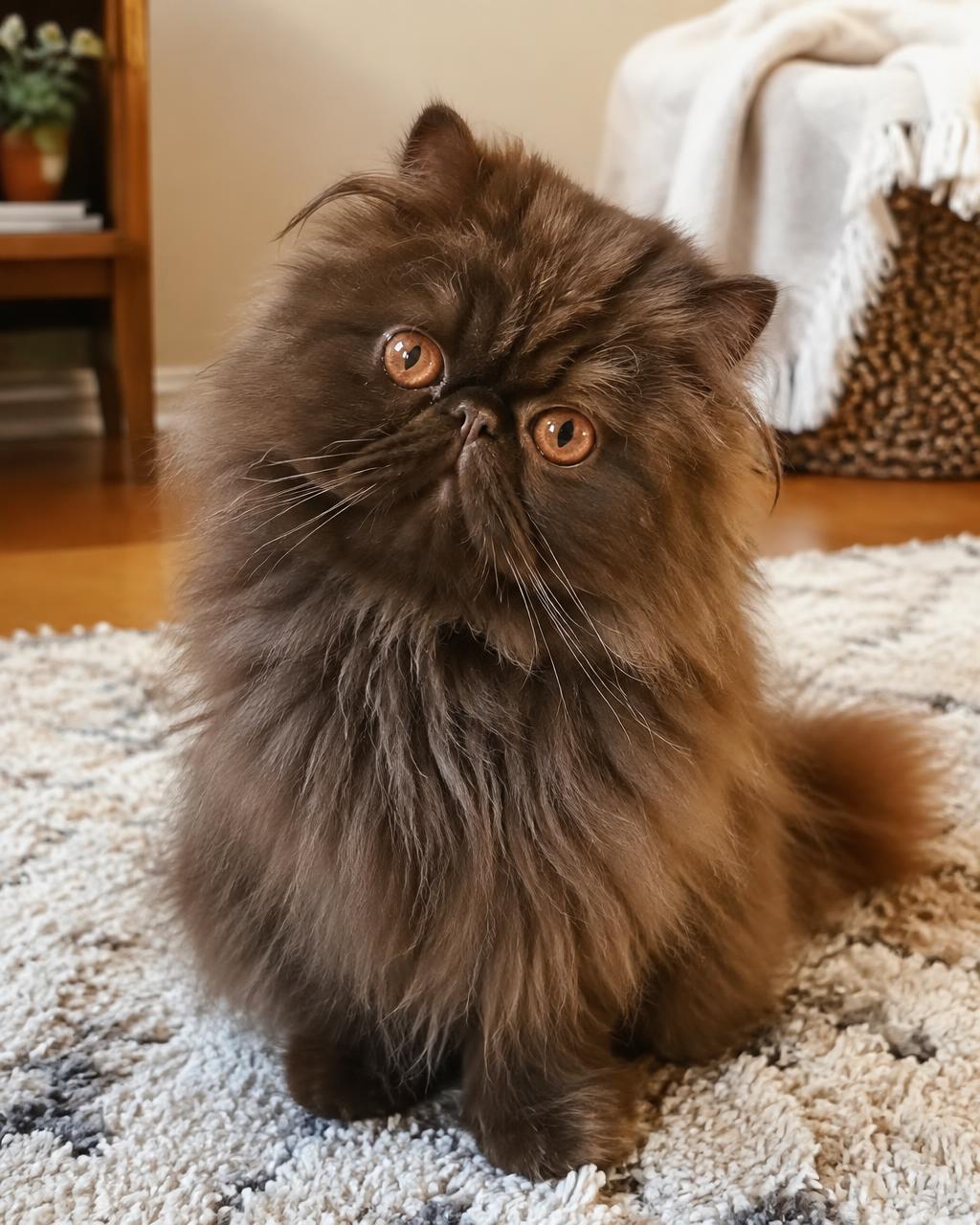
Yes. The two main looks are the traditional or "doll-face" Persian cat, with a more natural, moderate face, and the modern "peke-face" or flat-faced Persian cat, with a much flatter profile. The Himalayan is a colourpoint Persian cat, and you'll also hear colour-based names like the blue Persian cat or white Persian cat, which simply describe the coat.
Temperament & behaviour
+What is a Persian cat's personality like?
The Persian cat is calm, gentle and affectionate. It's a low-energy, quiet breed that loves to lounge and enjoys gentle attention, without being demanding or hyperactive. This placid, sweet nature is exactly why the Persian cat is so popular as a relaxed home companion.
+Are Persian cats affectionate?
Very — but on their own gentle terms. The Persian cat forms close bonds with its family and loves to be near its people, often settling on a lap or quietly following you around. Rather than demanding attention, the Persian cat tends to ask for affection politely and returns it with calm companionship and soft purring.
+Are Persian cats vocal?
No, the Persian cat is a quiet breed with a soft, sweet voice that it uses sparingly. You won't often hear loud or persistent meowing, which is one reason the Persian cat suits apartments and peaceful homes so well.
+Are Persian cats playful?
The Persian cat enjoys gentle play in short bursts, especially as a kitten, but it's far more relaxed than most breeds. A wand toy or soft ball will bring out its playful side, though a Persian cat will always prefer a calm game to wild, acrobatic activity.
+Can Persian cats be left alone?
The Persian cat is fairly independent and usually copes well with being left alone for a normal working day, as long as it has food, fresh water, a clean litter tray and a comfortable space. That said, the Persian cat does bond closely with its people, so it shouldn't be left alone for very long stretches day after day.
Persian cats & family life
+Are Persian cats good with children?
Yes, the Persian cat is generally very good with gentle, respectful children. Its patient nature means it's unlikely to lash out — it will simply walk away if it's had enough. Teaching children to handle the Persian cat calmly and to respect its space helps them build a warm, gentle friendship.
+Are Persian cats good with babies and toddlers?
The Persian cat can live happily with babies and toddlers, but supervision is essential. Young children don't yet understand gentle handling, so always supervise interactions, give the Persian cat quiet escape routes, and teach little ones to be calm and gentle around it.
+Do Persian cats get along with other pets?
Usually, yes. The Persian cat's calm, non-confrontational nature means it tends to get along with other Persian cats, other breeds and cat-friendly dogs, especially when introductions are made slowly. The Persian cat is rarely the one to start conflict and would far rather retreat than fight.
Grooming & coat care
+How much grooming does a Persian cat need?
A lot — grooming is the Persian cat's biggest commitment. Plan on daily brushing to prevent mats and tangles, a bath every few weeks, and daily eye cleaning to manage tear staining from the flat face. Skipping grooming quickly leads to painful mats in the Persian cat's long coat.
+Do Persian cats shed a lot?
Yes, the Persian cat sheds year-round, and more heavily during seasonal changes. Its long double coat means regular brushing is the best way to manage loose fur around the home and reduce the hairballs that come with all that grooming.
+Why do Persian cats have watery eyes?
The Persian cat's flat, brachycephalic face affects the tear ducts, so its eyes tend to water and can cause tear staining. This is normal for the breed, but it means you should gently clean around your Persian cat's eyes every day. If the discharge becomes excessive, coloured or crusty, check with your vet.
+Do Persian cats need baths?
Yes — unlike many breeds, the Persian cat benefits from a bath every four to six weeks to keep its long coat clean, fresh and free of grease. Using a pet-safe shampoo and introducing baths early makes the routine much easier for your Persian cat to accept.
Diet & health
+What do Persian cats eat?
The Persian cat does best on a high-quality, protein-rich diet with real animal protein as the first ingredient, ideally a mix of wet and dry food. Portion control matters, since the Persian cat is prone to weight gain, and hairball-control formulas help with its long coat. Fresh water should always be available.
+Why does my Persian cat struggle to eat normal kibble?
The Persian cat's flat face can make round kibble awkward to pick up. Many owners choose specially shaped kibble made for the Persian cat or long-haired breeds, along with a shallow, wide bowl that doesn't press against the face and whiskers.
+Are Persian cats prone to health problems?
The Persian cat is generally long-lived, but the breed can be prone to a few issues — including flat-faced breathing and tear-duct problems, polycystic kidney disease (PKD), and certain heart conditions. Buying from a reputable breeder who health-tests, keeping your Persian cat indoors, and scheduling regular vet check-ups all help.
+Should Persian cats live indoors?
Yes, the Persian cat is best kept as an indoor companion. Its long coat picks up dirt and mats easily outdoors, and its flat face copes poorly with extreme heat or cold. Kept indoors, the Persian cat stays cleaner, safer and healthier — and its calm nature means it's perfectly content with indoor life.
Choosing & owning a Persian cat
+Are Persian cats high-maintenance?
In grooming, yes — the Persian cat's coat and eyes need daily care. In temperament, though, the Persian cat is one of the calmest and least demanding breeds around. If you enjoy a daily grooming ritual, the Persian cat is a genuinely low-stress, rewarding companion.
+Is a Persian cat right for me?
A Persian cat is a wonderful choice if you want a calm, affectionate, indoor companion and you're happy to commit to regular grooming. It suits quiet homes, apartments, first-time owners, families with gentle children, and seniors. If you want a highly active, low-grooming companion, another breed may suit you better.
+How much does a Persian cat cost?
The price of a Persian cat varies widely depending on your location, the breeder, and whether the Persian cat is pet or show quality. Beyond the purchase price, remember to budget for ongoing costs such as quality food, grooming tools, litter, and routine veterinary care throughout your Persian cat's life.
+Where should I get a Persian cat?
Always choose a reputable, responsible source. A good breeder will health-test their Persian cats, raise kittens in a clean, caring environment, and be happy to answer your questions. You can also find Persian cats through breed-specific rescues and shelters, which is a wonderful way to give a Persian cat a loving home.
Still have questions about the Persian cat?
This page covers the most common Persian cat questions, but there's always more to learn about this beautiful breed. Explore our full guides on the Persian cat's appearance, personality, diet and care, moods, and how it compares to other breeds to get to know your Persian cat even better.