Diet and nutrition
Best Food for Persian Cats: A Complete Diet and Feeding Guide
What you put in your feline's bowl has a big effect on how your feline looks, feels, and behaves. For Persian cats, good nutrition is especially important. A healthy diet helps keep that long coat soft and shiny, supports the kidneys and digestion, controls hairballs, and keeps weight at a healthy level. Many new owners feel confused by the huge number of feline foods in pet shops. In this complete guide, you will learn what to feed Persian cats, how much to give, and how to build a simple feeding routine that keeps your feline healthy for life.
Why Diet Matters for Persian Cats
Persian cats have a few special needs that make their diet important. Their thick, long coat needs good protein and healthy fats to grow strong and shiny. Their calm, relaxed lifestyle means they can gain weight easily if they eat too much. Many Persian cats swallow a lot of fur while cleaning themselves, so their digestive system needs support to move hair through the body. And because of their flat faces, some Persian cats find certain food shapes hard to pick up and chew.
A good diet will not solve every problem, but it creates a strong base for health. When your Persian cat eats well, you will often see it in a glossy coat, bright eyes, healthy energy, and good litter box habits.
Felines Are Carnivores
The most important thing to understand is that all felines, including Persian cats, are obligate carnivores. This means they need nutrients that come mainly from animal foods. Felines need high-quality animal protein, and they also need a special nutrient called taurine, which is found in meat. Without enough taurine, felines can develop serious heart and eye problems.
This is why felines cannot live on a vegetarian diet, and why dog food is not suitable for felines. Always choose food that is made specifically for felines and labeled as "complete and balanced." A complete food contains all the vitamins, minerals, and nutrients your Persian cat needs in the right amounts.
Wet Food vs Dry Food for Persian Cats
Owners often ask whether wet food or dry food is better for Persian cats. Both types can be healthy if they are complete and balanced, and many owners use a mix of both.
Wet food, which comes in cans or pouches, contains a lot of water. This is a big advantage, because many felines do not drink enough water on their own. Extra moisture supports the kidneys and bladder, which is very helpful for Persian cats. Wet food is also soft and easy for flat-faced felines to eat, and many felines find it tasty.
Dry food, also called kibble, is convenient, easy to store, and can be left out for longer without spoiling. Some dry foods are made specially for Persian cats, with kibble shapes that are easier for flat-faced felines to pick up with their tongue and lower jaw. The main downside is that dry food contains very little water, so felines that eat mostly dry food must drink more water from a bowl or fountain.
A popular approach is to give wet food once or twice a day and a measured amount of good-quality dry food as well. Your vet can help you choose the best balance for your feline.
What to Look for in Feline Food
When you read a feline food label, look for a named animal protein, such as chicken, turkey, fish, or lamb, near the top of the ingredient list. Make sure the food says it is complete and balanced for your feline's life stage: kitten, adult, or senior. Choose foods made by well-known companies that follow proper nutrition standards.
Some foods include omega-3 and omega-6 fatty acids, which support skin and coat health. This can be helpful for Persian cats with their long fur. Foods with added fiber can help with hairball control. If your Persian cat has a health condition, such as kidney disease or a sensitive stomach, your vet may recommend a special diet.
Special Food for Persian Cats
Some pet food brands make food designed just for Persian cats. These foods often have a special almond-shaped kibble that is easier for flat-faced felines to grab and chew. They may also include nutrients for coat health and fiber to help with hairballs. These foods can be a good choice, but they are not required. Many Persian cats do perfectly well on regular high-quality feline food. The best food is one that your feline enjoys, digests well, and that keeps it at a healthy weight.
How Much Should You Feed a Persian Cat?
Most adult Persian cats weigh around 3 to 5.5 kilograms (about 7 to 12 pounds), though males are often larger than females. The amount of food your Persian cat needs depends on its size, age, activity level, and whether it is neutered or spayed. Neutered and indoor felines often need fewer calories than active outdoor felines.
Start with the feeding guide printed on the food package, but remember that it is only a starting point. Watch your feline's body shape. You should be able to feel the ribs easily under a thin layer of fat, and your feline should have a slight waist when seen from above. Because Persian cats have so much fur, it can be hard to see their body shape, so use your hands to feel it. If your feline is gaining weight, reduce the portion a little. If it is losing weight, increase it slightly. Your vet can give you an exact amount for your feline.
Feeding Schedule for Persian Cats
Persian cats love routine, so feeding at the same times each day helps them feel secure. For adult Persian cats, two to three meals a day works well. Many owners feed once in the morning and once in the evening, sometimes with a small meal in the middle of the day.
Kittens need more frequent meals because they are growing fast and have small stomachs. Young Persian kittens usually eat three to four small meals a day. As they grow older, you can slowly reduce the number of meals.
Free feeding, where food is left out all day, can lead to overeating in calm felines like Persians. Measured meals make it easier to control weight and notice if your feline stops eating, which can be an early sign of illness.
Feeding Persian Kittens
Persian kittens need kitten food, which contains more calories, protein, and nutrients for growth. Keep your kitten on kitten food until around 12 months of age, or as your vet suggests. When you first bring your Persian kitten home, ask the breeder what food it has been eating and continue with the same food for the first couple of weeks. Changing food and home at the same time can upset a kitten's stomach.
Feeding Senior Persian Cats
As Persian cats grow older, usually from around 10 to 12 years of age, their needs change. Some senior felines become less active and gain weight, while others lose weight and muscle. Older felines may also have dental problems or kidney changes. Senior feline foods are designed for these needs. Softer food and extra moisture can be helpful for older Persian cats. Regular vet check-ups will help you adjust the diet as your feline ages.
How to Change Your Feline's Food Safely
If you need to switch your Persian cat to a new food, do it slowly over about seven to ten days. Start by mixing a small amount of new food with the old food. Each day, add a little more new food and a little less old food. A sudden change can cause vomiting, diarrhea, or refusal to eat. Be patient, because some Persian cats can be picky and may need time to accept a new taste.
Water: The Most Important Nutrient
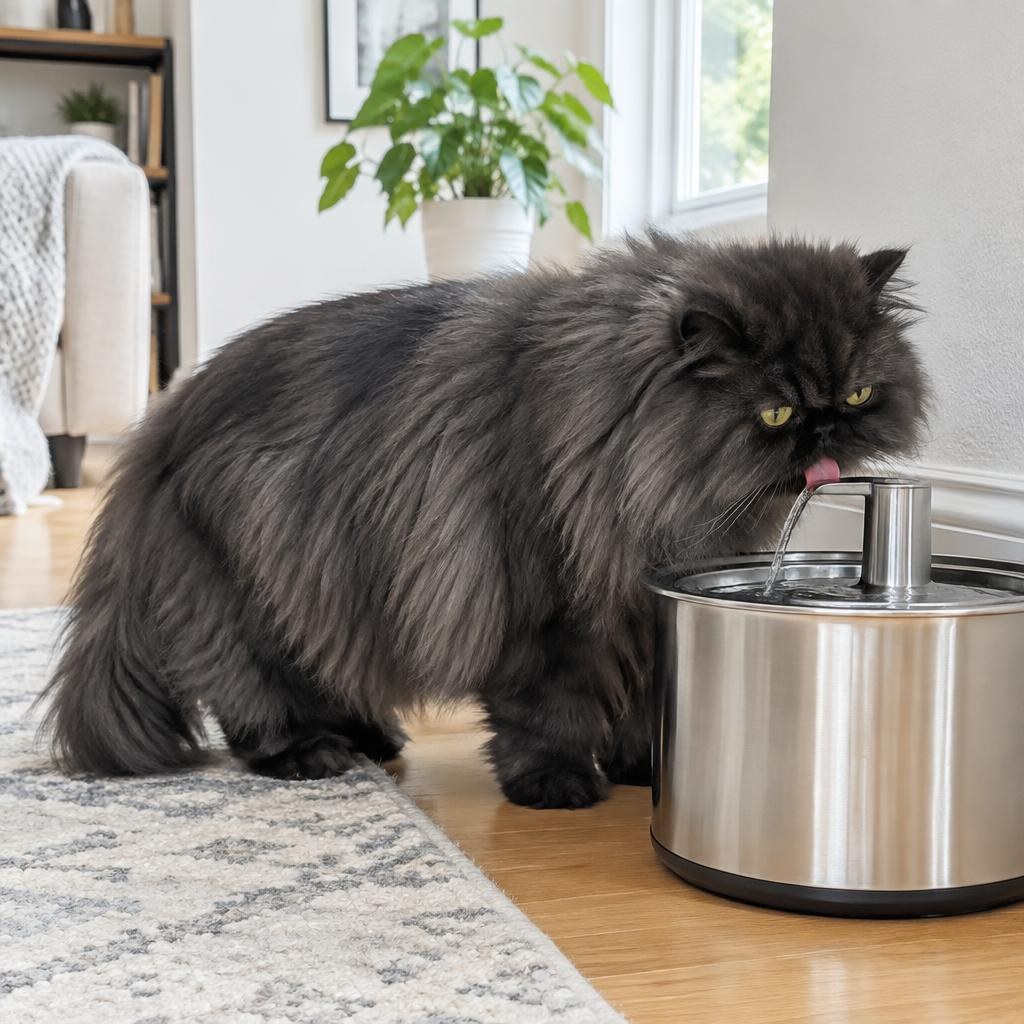
Fresh water is just as important as food. Keep clean water available at all times, and change it at least once a day. Many Persian cats prefer wide, shallow bowls, because deep bowls can press against their flat faces and whiskers. Some felines also enjoy drinking from a feline water fountain, because they like moving water. Place water bowls away from the litter box and food bowl.
Treats for Persian Cats
Treats are a lovely way to reward your Persian cat, but they should be given in small amounts. Treats should make up only a small part of your feline's daily calories, often suggested as around 10 percent. Choose treats made for felines, or offer tiny pieces of plain, cooked chicken or fish without bones, salt, or seasoning.
Foods Persian Cats Should Never Eat
Some human foods are dangerous for felines. Never give your Persian cat onions, garlic, chives, chocolate, grapes, raisins, alcohol, coffee, tea, raw dough, or foods with lots of salt or spices. Cooked bones can splinter and cause injury. Although many people think felines love milk, most adult felines cannot digest lactose well, and milk can cause stomach upset. If your feline eats something harmful, contact a vet immediately.
Tips for Flat-Faced Eaters
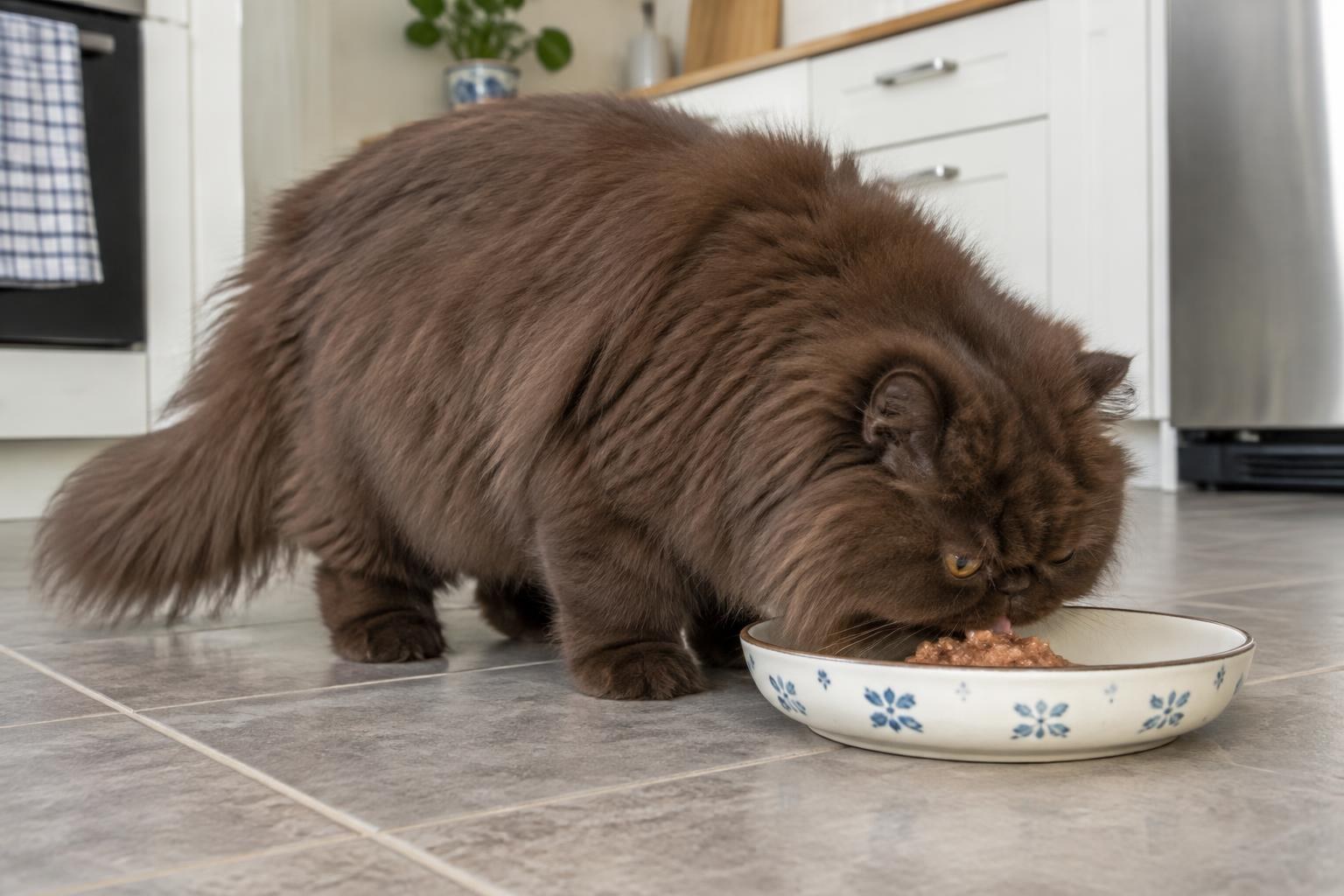
Because Persian cats have short faces, eating from deep or narrow bowls can be uncomfortable. Use shallow, wide plates or special tilted bowls made for flat-faced felines. Keep the area around your feline's mouth clean after meals, because food can stick to the fur on the face. A quick wipe with a soft, damp cloth after eating keeps the face tidy and prevents skin irritation.
Conclusion
Feeding Persian cats well does not have to be complicated. Choose a complete and balanced feline food with good animal protein, offer measured meals on a regular schedule, and keep fresh water available at all times. Use shallow bowls, give treats in small amounts, and avoid dangerous human foods. Watch your feline's weight and coat, and adjust the diet as your feline grows from kitten to adult to senior. With the right food and a caring routine, your Persian cat will stay healthy, beautiful, and full of gentle charm for many years. For advice about your own feline's special needs, always speak with your veterinarian.