
New owner guide
Persian Cat: The Complete Guide for New and Future Owners
With its long flowing coat, sweet round face, and calm nature, the Persian cat is one of the most loved breeds in the world. This guide covers everything you need to understand before or after welcoming this special breed home.

History of the Persian cat
The Persian cat is one of the oldest breeds known to humans. As the name suggests, it is believed to have come from Persia and the surrounding Persian regions. In the 1600s, European travellers brought these long-haired Persian cats to Italy and France, where they quickly became popular among royalty and wealthy families.
In the 1800s, the Persian cat became a favourite in Britain, and Queen Victoria owned several. Over time, breeders in Britain and America developed the Persian cat into the breed we know today, with its round head, short nose, and thick, luxurious coat.
Appearance of the Persian cat
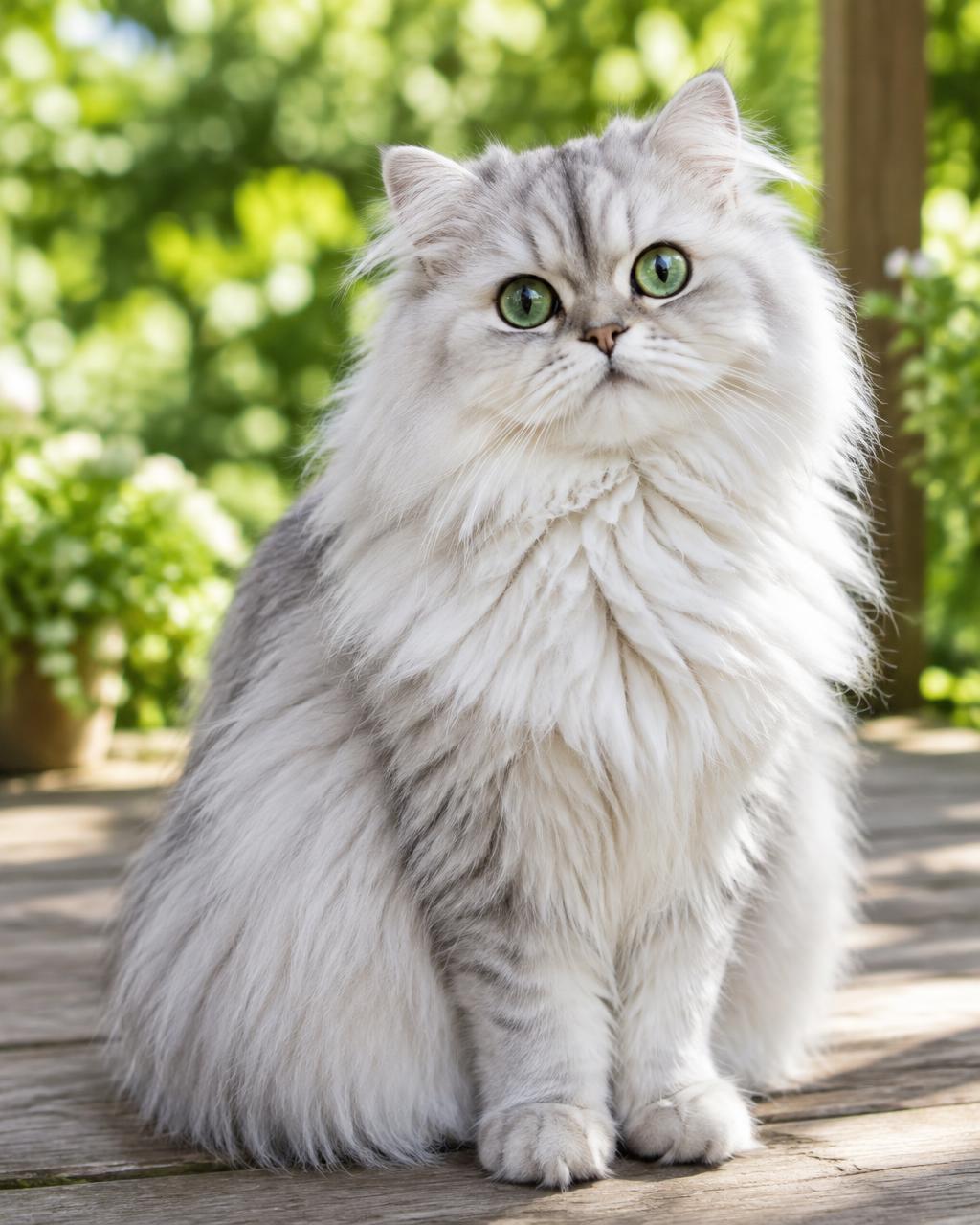
The most famous feature of the Persian cat is its long, silky coat. It comes in many colours and patterns, including white, black, blue, cream, silver, golden, tabby, calico, and bi-colour. The white Persian cat with blue or copper eyes is especially popular.
A Persian cat usually has a round face, large expressive eyes, small ears, and a sturdy body with short, strong legs. The traditional “doll-face” Persian cat has a more natural nose, while the “peke-face” Persian cat has a very short, pushed-in nose. An adult Persian cat typically weighs between 3 and 5.5 kilograms (7 to 12 pounds).
Personality and temperament
If you want a calm and loving companion, the Persian cat may be the perfect choice. Persian cats are known for being quiet, gentle, and affectionate. Unlike more active breeds, a Persian cat usually prefers relaxing on a soft cushion or sitting on your lap over climbing curtains or racing around the house.
A Persian cat enjoys a peaceful home and a steady routine. The breed generally gets along well with respectful children and other calm pets. Although relaxed, a Persian cat still enjoys gentle play with feather toys and small balls.
Grooming your Persian cat
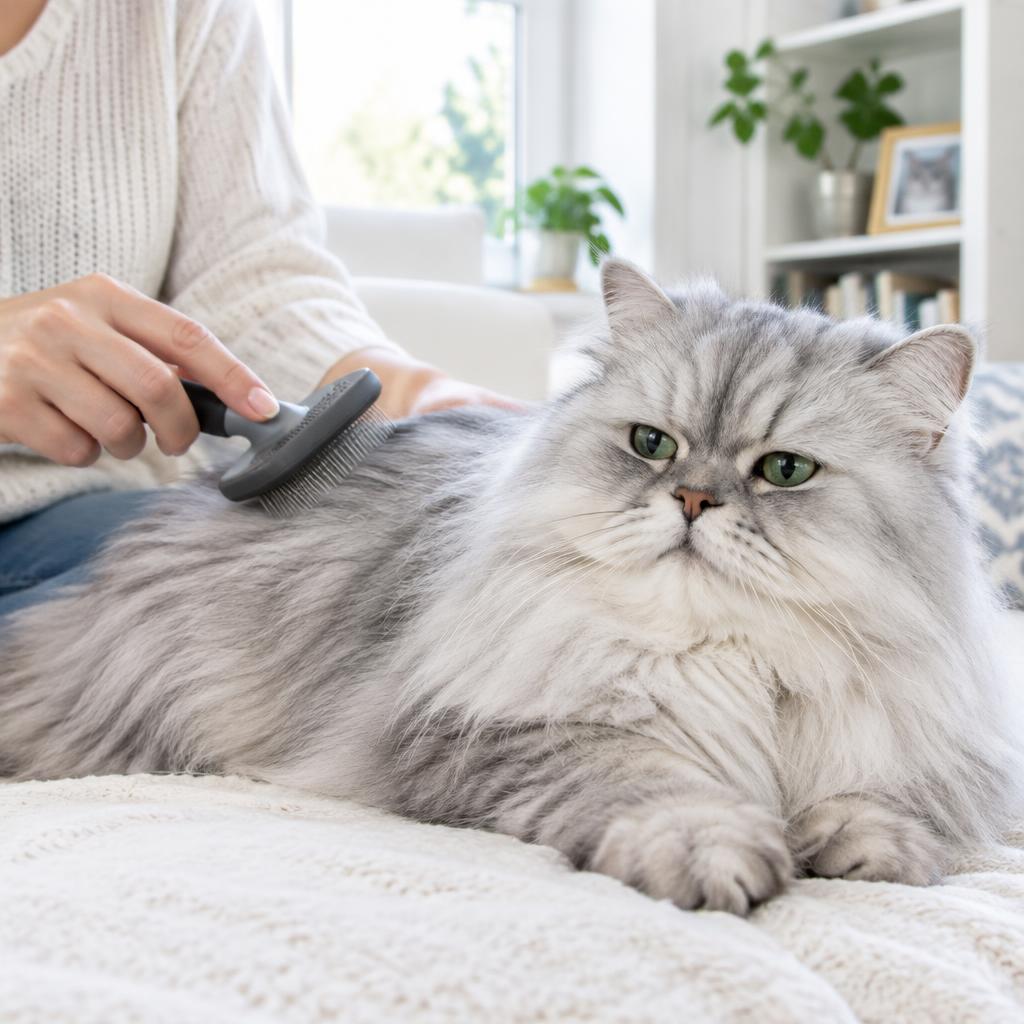
Grooming is the most important part of Persian cat care. Because of its long, thick coat, a Persian cat needs to be brushed every day. Without regular brushing, the fur can quickly form painful mats and tangles. A wide-tooth metal comb and a soft brush work best.
Many owners also bathe their Persian cat once every few weeks to keep the coat clean and shiny. Use shampoo made specifically for felines and dry the fur completely afterward. Gently wipe around watery eyes each day with a soft, damp cloth. Regular nail trimming, ear cleaning, and checking the fur around the back end also support good hygiene.
Health concerns in Persian cats
Like every breed, the Persian cat has some health concerns owners should understand. Breathing difficulties can affect flatter-faced Persian cats because short noses may restrict airflow. Polycystic kidney disease (PKD) is an inherited condition, so ask a responsible breeder about health testing. Excessive tearing, eye infections, and dental issues can also occur, while hot weather may be uncomfortable for a Persian cat.
Regular veterinary visits, vaccinations, and a clean, cool home help a Persian cat live comfortably. With attentive care, a Persian cat usually lives between 12 and 17 years. Contact a veterinarian if you notice breathing changes, reduced appetite, unusual tiredness, or a sudden change in behaviour.
Feeding your Persian cat
A balanced diet helps keep your Persian cat's coat beautiful and body strong. Choose high-quality feline food with real meat as the main ingredient. Some formulas made for Persian cats use kibble shapes that are easier for flatter faces to pick up and chew.
Because Persian cats are not highly active, they can gain weight easily. Feed measured portions instead of leaving food out all day, provide fresh water, and ask your veterinarian about the right amount for your Persian cat's age, weight, and health.

Is a Persian cat right for you?
A Persian cat is a wonderful choice for people who want a calm, loving, and beautiful companion. The breed suits quiet homes, apartments, and owners who enjoy spending time with their Persian cat. Daily grooming and regular attention are essential, so you should be ready to provide time and care every day.
If you want a very active or independent breed that needs little grooming, a Persian cat may not be the best match. But if you want a gentle friend who will happily sit beside you, the Persian cat is difficult to beat.
Tips for new Persian cat owners
Before bringing your Persian cat home, prepare a quiet space with a soft bed, food and water bowls, a litter box, and a few toys. Buy grooming tools in advance and begin brushing gently during the first week so your Persian cat becomes comfortable with the routine. Adopt or buy from a trusted shelter or responsible breeder, ask for health records, and give your new Persian cat time to feel safe.
Final thoughts
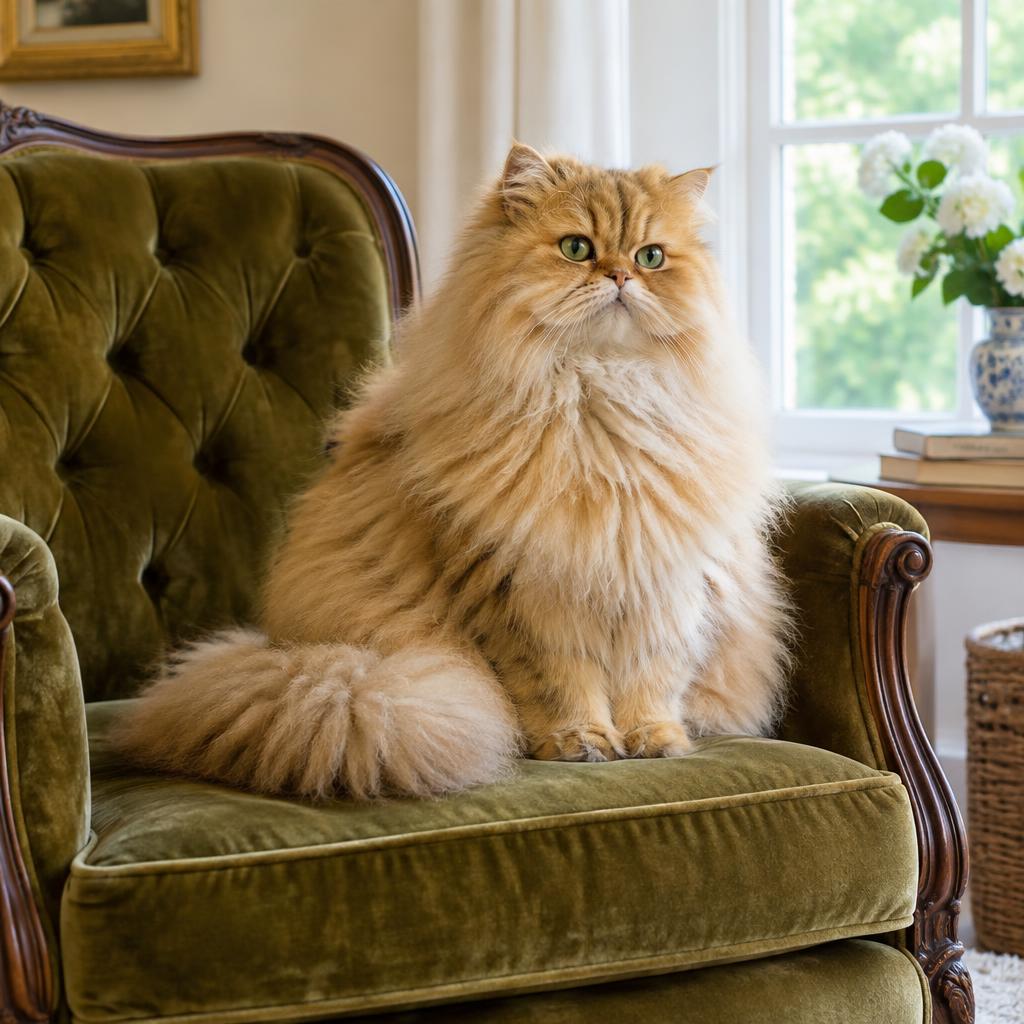
The Persian cat is more than a beautiful face. It is a loving, peaceful, and loyal companion that brings calm and comfort to a home. With daily grooming, a balanced diet, and regular veterinary care, your Persian cat can reward you with years of affection and gentle companionship.