Breed history
Persian Cat History: The Royal Journey of the World's Most Elegant Cat
The Persian cat is not only one of the most beautiful feline breeds, but also one of the oldest. Its story stretches across centuries and continents, from the ancient lands of Persia to the palaces of Europe and the show halls of the modern world.
Origins in ancient Persia
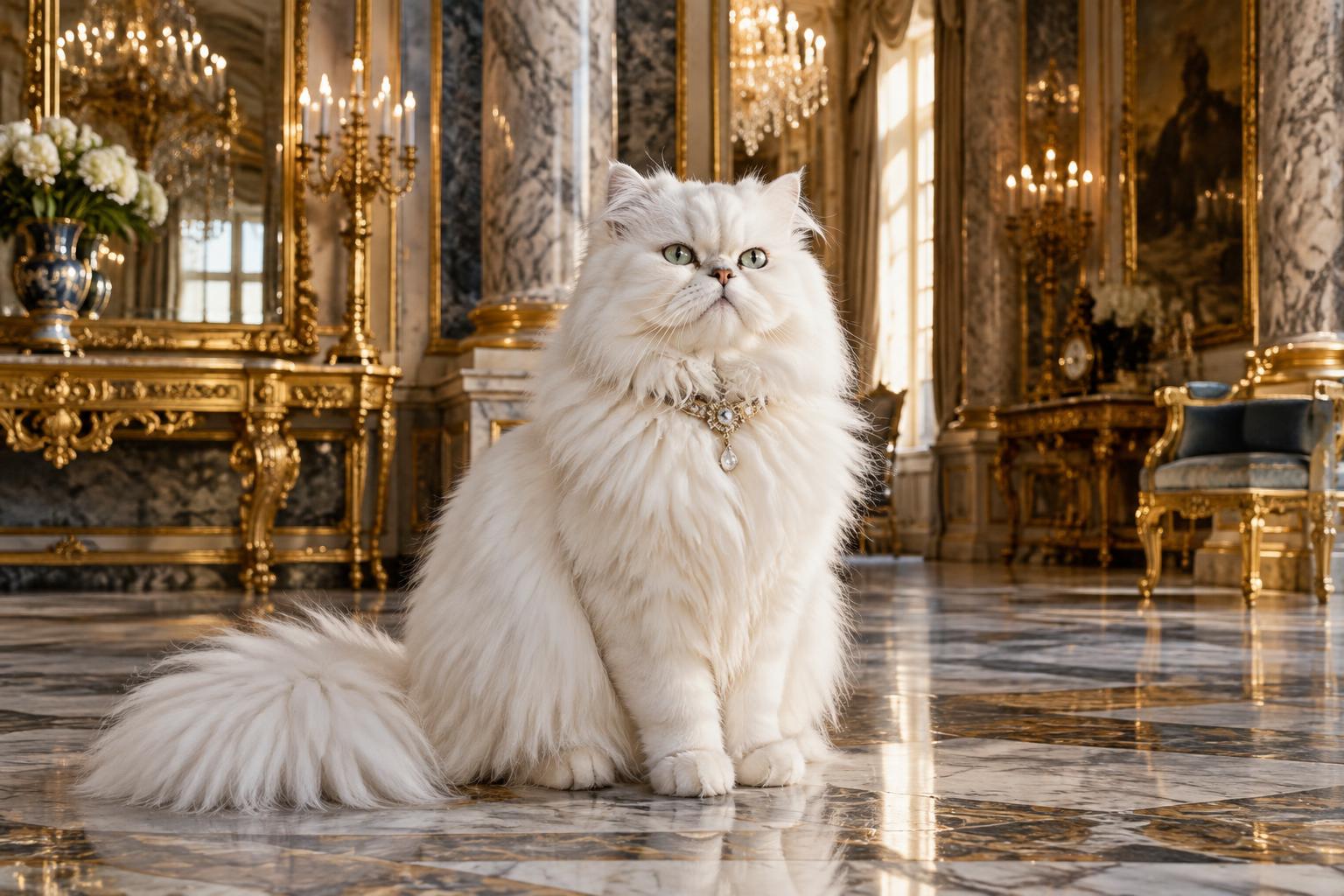
As its name suggests, the Persian cat is believed to have come from Persia, the historic region in the Persian regions of the Middle East. Long-haired felines may have lived in this area for a very long time, and their thick coats could have helped them stay warm in the cold mountain regions.
Because written records from that time are limited, no one knows the exact origin of the Persian cat. Some historians believe long-haired felines also came from nearby regions such as Turkey and Afghanistan. What is clear is that these beautiful long-haired felines were highly valued in the Middle East.
Arrival in Europe
The Persian cat's journey to Europe is often linked to an Italian traveler named Pietro della Valle. In the early 1600s, he is said to have brought long-haired felines from Persia to Italy. Around the same time, a French scholar named Nicolas-Claude Fabri de Peiresc is believed to have brought long-haired felines from Turkey to France.
These elegant felines quickly caught the attention of wealthy European families. With their silky coats and graceful manners, they became a symbol of luxury and style.
A favorite of royalty
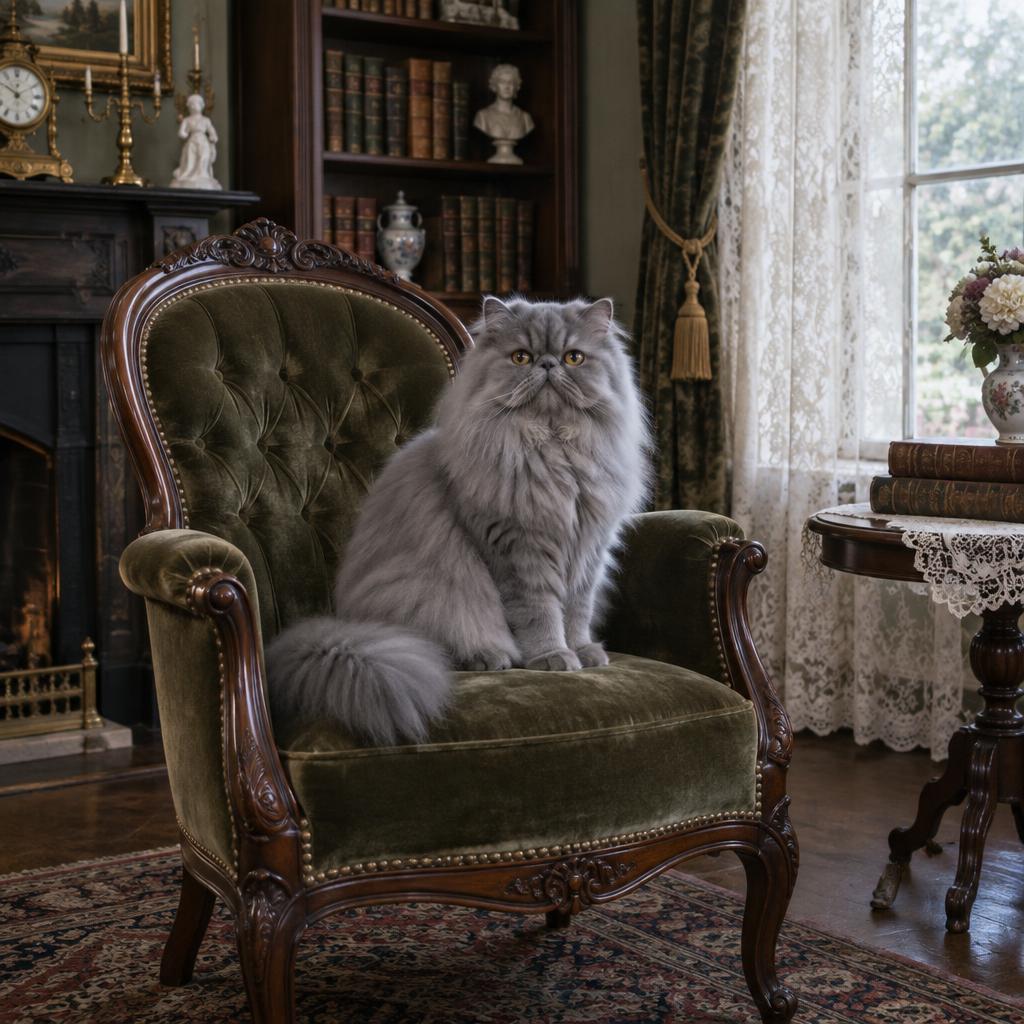
In the 1800s, the Persian cat became extremely popular in Britain. Queen Victoria was a great lover of felines and owned several blue Persian cats. Her love for the breed helped make the Persian cat fashionable among the upper classes. Owning a Persian cat soon became a sign of elegance and good taste.
The first feline shows
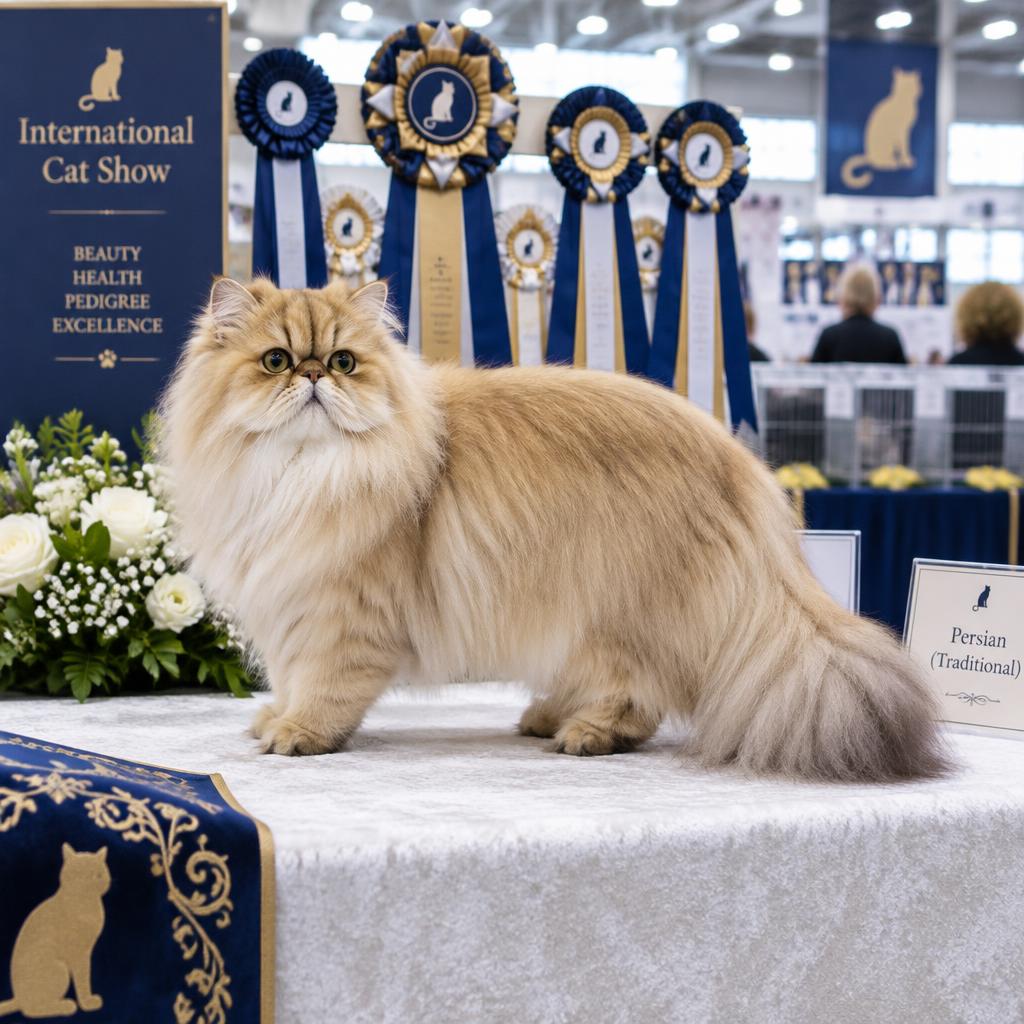
The Persian cat played an important role in the early history of feline shows. In 1871, the first major feline show was held at the Crystal Palace in London, organized by Harrison Weir, who is often called the father of the feline fancy. Persian cats were among the stars of the show and attracted large crowds.
During this period, British breeders began carefully developing the Persian cat's look, focusing on a round head, a thick coat, and a sturdy body. They also started recording pedigrees and creating standards for how the ideal Persian cat should look.
The Persian cat comes to America
In the late 1800s, Persian cats were brought to the United States, where they quickly became popular. American breeders continued to develop the breed, and over the years, the Persian cat became one of the most popular pedigreed felines in the country. Many new colors and patterns were developed during this time.
The changing face of the breed
Early Persian cats looked quite different from many of today's show felines. They had a more natural face with a visible nose, similar to what we now call the doll face Persian cat.
In the mid-1900s, some breeders began to prefer a flatter face with a shorter nose. This led to the peke-face or flat face Persian cat seen at many modern feline shows. Today, both the traditional doll face and the modern flat face Persian cat have their own groups of admirers.
New breeds from the Persian cat
The Persian cat has also helped create other well-known breeds. The Himalayan, also called the colorpoint Persian, was developed by combining the Persian cat with the Siamese breed to create a long-haired feline with colored points and blue eyes. The Exotic Shorthair was developed by combining the Persian cat with the American Shorthair, creating a feline with the Persian's sweet face and personality but a short, plush coat that is easier to care for.
The Persian cat around the world today
Today, the Persian cat is loved in almost every corner of the world, from Europe and America to Asia and the Middle East. It regularly appears among the most popular pedigreed feline breeds and continues to shine at feline shows. The Persian cat has also appeared in films, advertisements, and art, often representing luxury, calmness, and beauty.
Why the Persian cat has stayed popular
The Persian cat's lasting popularity comes from a perfect mix of beauty and personality. Its luxurious coat and sweet face make it one of the most photogenic felines in the world, while its calm, affectionate nature makes it a wonderful companion. For centuries, people have been drawn to this peaceful, elegant breed, and that love shows no sign of fading.
Conclusion
Persian cat history is a story of travel, royalty, and devotion. From the ancient lands of Persia to the palaces of Europe and homes all over the world, the Persian cat has charmed people for hundreds of years. When you look at a Persian cat today, you are seeing a living piece of history, a breed that has been treasured across many generations.