
Personality guide
Persian Cat Personality: Understanding Your Calm and Loving Companion
Many people fall in love with the Persian cat because of its beautiful face and flowing coat. But the real reason owners stay devoted is its wonderful personality. Explore Persian cat personality and behavior, so you know what life with this special breed is really like.
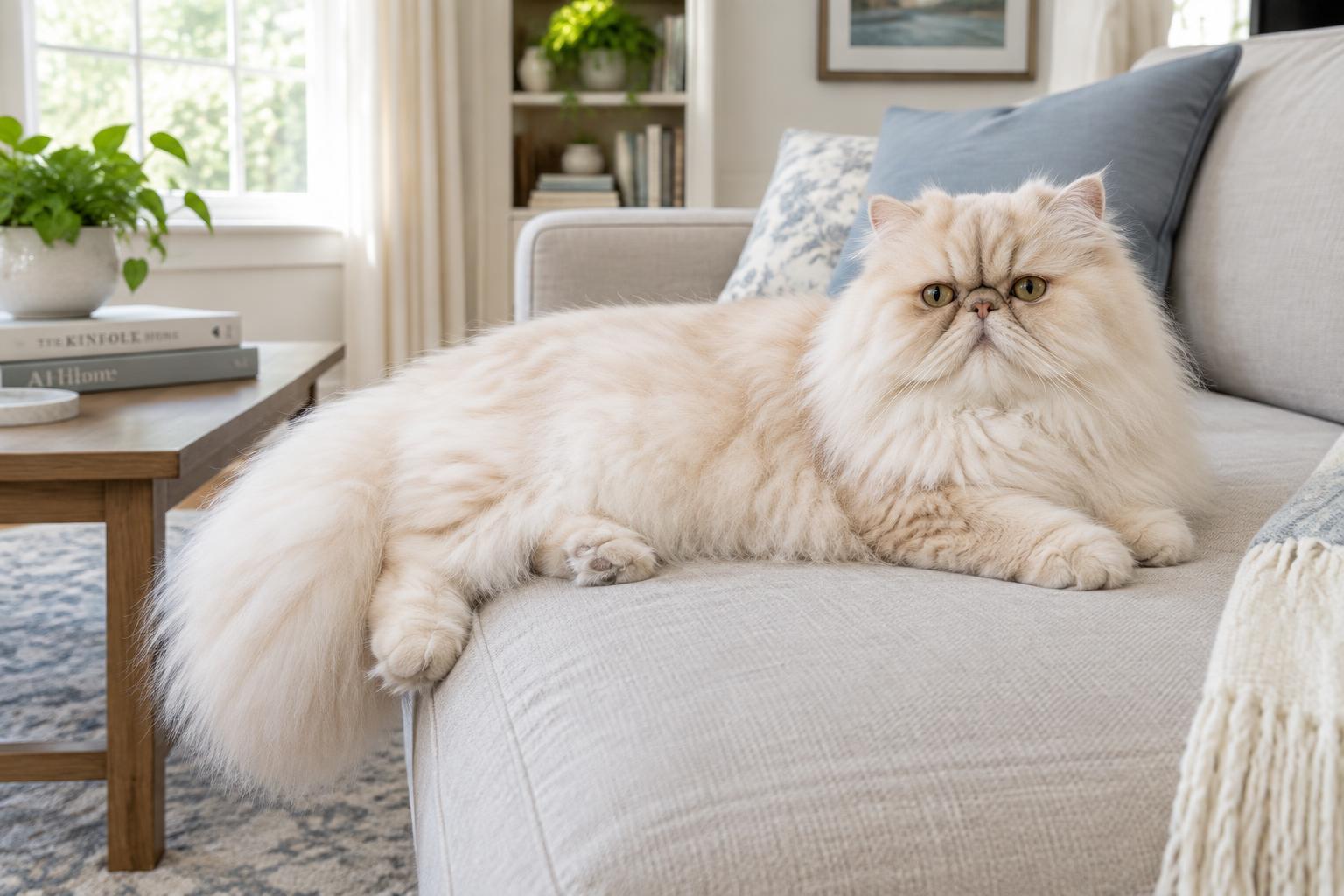
A calm and peaceful nature
The first thing most owners notice about a Persian cat is how relaxed it is. While some other breeds race around the house and climb everything they see, the Persian cat prefers a quiet and comfortable life. You will often find your Persian cat resting on a soft bed, stretching out on a sunny windowsill, or sitting peacefully beside you on the sofa.
This calm nature makes the Persian cat a great choice for apartments, quiet homes, and people who enjoy a peaceful lifestyle. However, calm does not mean boring. A Persian cat simply enjoys life at a slower, more graceful pace.
Affectionate but not demanding
A Persian cat is very loving, but it usually shows affection in a gentle way. Many Persian cats like to follow their owners from room to room, sit nearby while they work, or curl up on their lap in the evening. They enjoy being stroked softly and often respond with a quiet purr.
At the same time, a Persian cat is not usually clingy or demanding. It will not constantly ask for attention by meowing loudly or pawing at you. Instead, it waits patiently for you to come and give it love. This balance makes the Persian cat a perfect companion for people who want a loving pet that also respects their space.
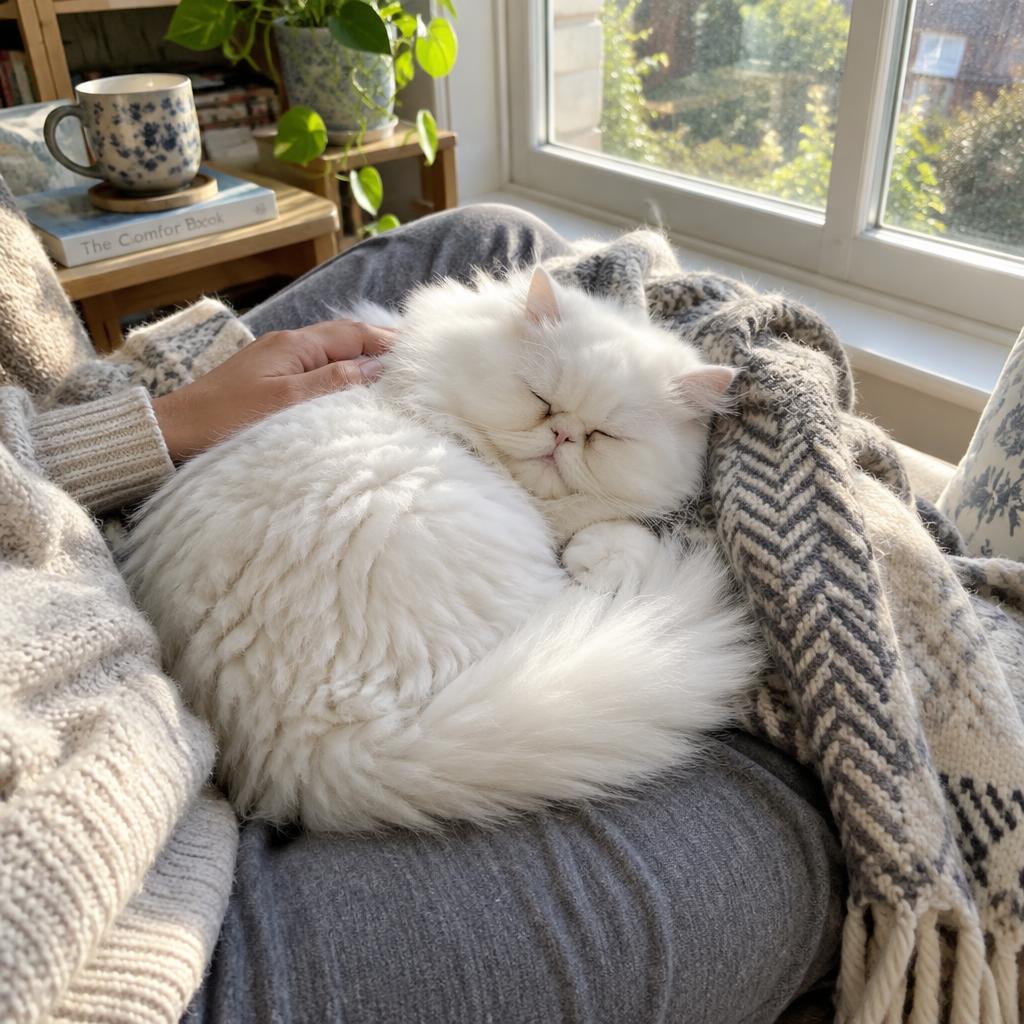
A soft and quiet voice
If you prefer a quiet home, you will love the Persian cat. This breed is known for being one of the least vocal felines. When a Persian cat does meow, its voice is usually soft, gentle, and pleasant. Many owners say their Persian cat talks mainly with its eyes and body language, such as slow blinks, gentle head bumps, and a softly swishing tail.
Playful in its own way
Although the Persian cat is calm, it still enjoys playtime. Most Persian cats like gentle games with feather wands, soft balls, and small toy mice. They may chase a toy for a few minutes and then return to relaxing. Persian kittens are much more active and curious, and they often play energetically before settling into a calmer adult personality.
Short, daily play sessions are a great way to keep your Persian cat active and happy, and they also strengthen the bond between you.
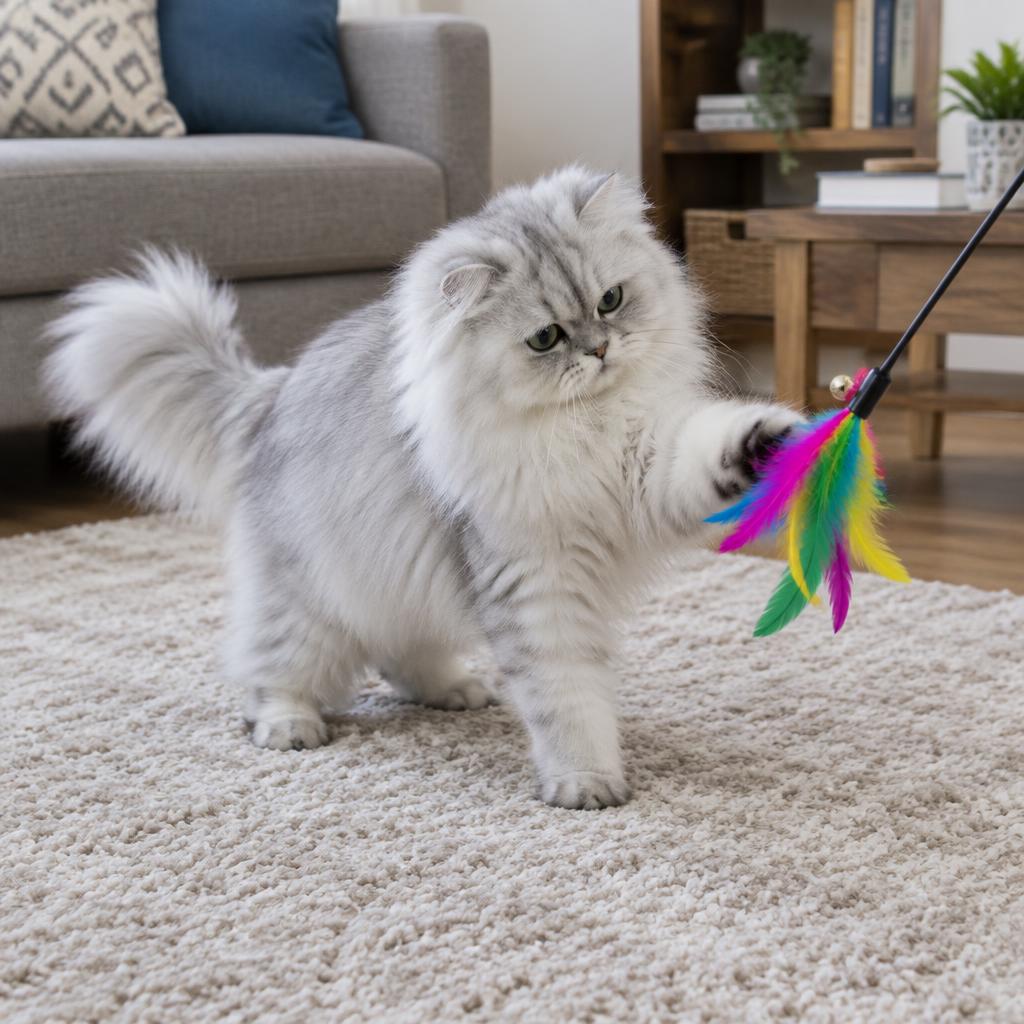
Love for routine
A Persian cat feels happiest when its day follows a predictable pattern. It likes to know when playtime, grooming time, and quiet time will happen. Sudden changes, loud noises, or a very busy household can make a Persian cat feel stressed. If you need to make changes, such as moving furniture or moving to a new home, try to do it slowly and give your Persian cat time to adjust.
Persian cats with children
A Persian cat can live happily with children, especially older children who understand how to be gentle. Because the Persian cat is calm and patient, it usually tolerates gentle handling well. However, it does not enjoy rough play, being chased, or being picked up too often.
Teach children to stroke the Persian cat softly, speak quietly, and let it come to them. When children treat a Persian cat with respect, the friendship can be very special.
Persian cats with other pets
Thanks to its easygoing nature, a Persian cat often gets along well with other calm felines and even friendly, gentle dogs. The key is a slow and careful introduction. Keep the new pets in separate rooms at first, let them get used to each other's scent, and then allow short, supervised meetings. Over time, many Persian cats become good friends with their animal housemates.
Independent but loyal
A Persian cat is happy spending some time alone while you are at work or busy, as long as it has a comfortable space and a few toys. This independence makes it a good fit for working people. Still, the Persian cat is loyal and enjoys having its family close by. When you come home, you may find your Persian cat waiting quietly at the door or following you around to see what you are doing.
Understanding Persian cat body language
Learning your Persian cat's body language helps you understand its feelings. A slow blink means your Persian cat feels relaxed and trusts you; you can slowly blink back to show your love. A raised tail usually means your Persian cat is happy and confident. Gentle head bumps are a sign of affection and a way of marking you as family.
If your Persian cat flattens its ears, flicks its tail quickly, or hides, it may feel scared or annoyed and needs some quiet time.
Is the Persian cat personality right for you?
The Persian cat is ideal for people who want a gentle, loving, and peaceful companion. It suits quiet homes, families with respectful children, older people, and anyone who enjoys calm evenings at home. If you want a very energetic feline that loves climbing and constant activity, another breed may be a better match. But if you want a sweet friend who brings calm and comfort to your home, the Persian cat is a wonderful choice.
Conclusion
The Persian cat personality is one of the most charming in the feline world. Calm, affectionate, quiet, and loyal, the Persian cat creates a peaceful atmosphere wherever it lives. By understanding its love for routine, gentle play, and soft communication, you can build a deep and lasting bond with your Persian cat.