Breathing and flat faces
Persian Cats Breathing Problems: Understanding Flat Faces and Keeping Your Persian Cat Comfortable
The sweet, round, flat face of Persian cats is one of the most loved features of the breed. But this special face shape can also affect how easily a Persian cat breathes. Many owners notice that their Persian cat snores, snorts, or breathes a little noisily. Sometimes this is harmless, but in other cases it can be a sign of a real breathing problem. In this guide, you will learn why Persian cats can have breathing difficulties, which signs to watch for, how vets can help, and what you can do at home to keep your Persian cat comfortable.
What Does "Brachycephalic" Mean?
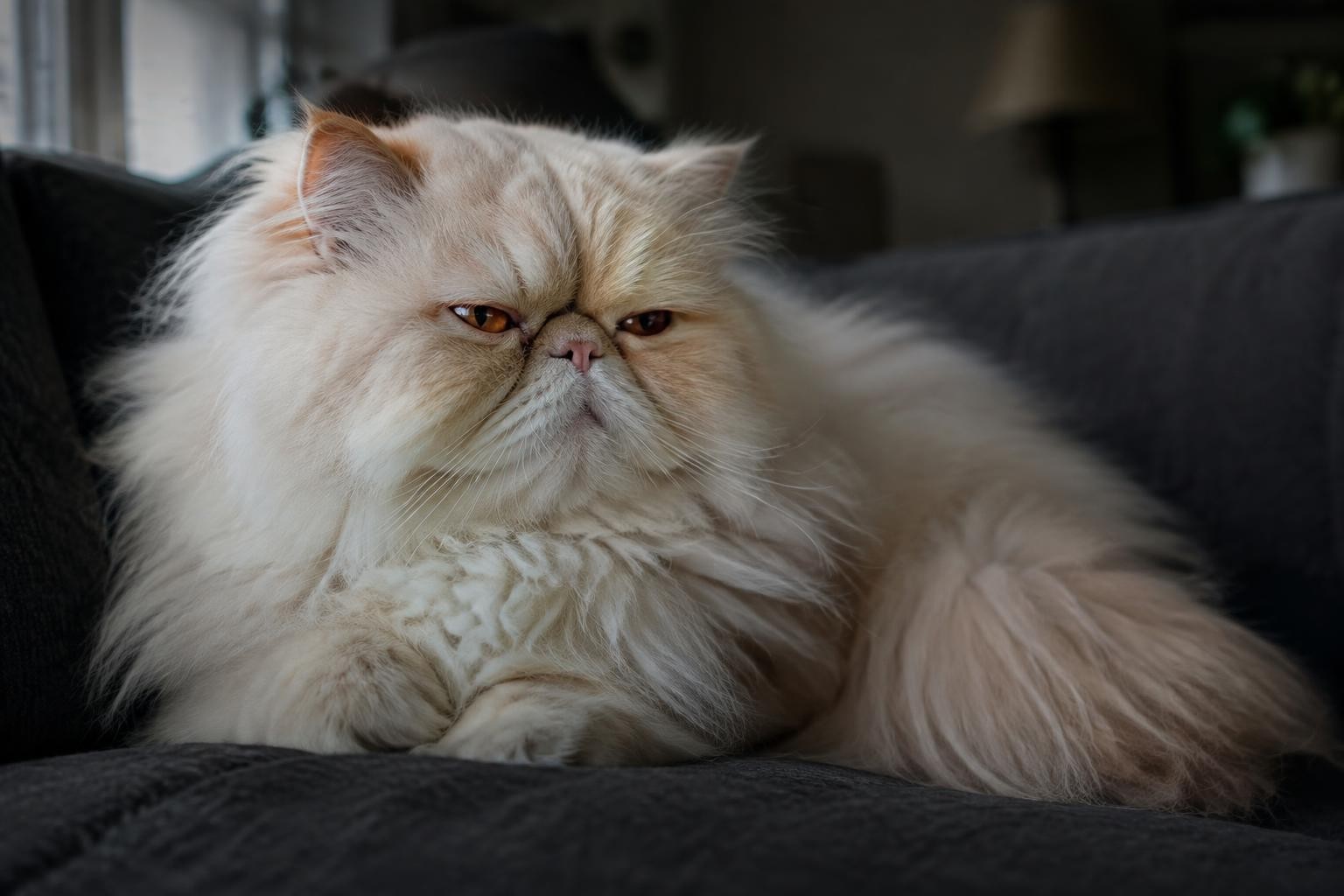
Brachycephalic means "short-headed." It describes animals with a short skull and a flat face, such as Persian cats, Exotic Shorthairs, and some dog breeds like pugs and bulldogs. In brachycephalic felines, the bones of the face and nose are shortened, but the soft tissues inside the nose and throat are not always reduced in the same way. This means the airway can be narrower or more crowded than in felines with longer faces.
Not all Persian cats have the same face shape. "Doll face" or traditional Persian cats have a slightly longer nose and usually breathe more easily. "Peke-face" or extreme flat-faced Persian cats have a very short nose, which can increase the risk of breathing problems.
Brachycephalic Airway Syndrome
Brachycephalic airway syndrome, sometimes called BOAS, is a group of airway problems that can affect flat-faced animals. In felines, the most common problem is stenotic nares, which means the nostrils are very narrow or pinched. This makes it harder for air to flow through the nose.
Other parts of the airway can be affected too. Some felines have a soft palate that is longer than normal, which can partly block the back of the throat. Some have narrowed nasal passages. These problems together make the Persian cat work harder to breathe, especially when it is excited, active, hot, or stressed.
Signs of Breathing Problems in Persian Cats
Some signs of breathing difficulty are mild, while others need urgent attention. Common mild signs include snoring, snorting, noisy breathing, and sneezing. Many flat-faced Persian cats snore while sleeping, and this is not always a cause for concern.
More worrying signs include breathing with the mouth open, panting, fast breathing while resting, breathing with a lot of belly movement, getting tired quickly during play, reluctance to play, and difficulty eating because the Persian cat must stop to breathe. Blue or gray gums, collapse, or severe distress are emergencies and need immediate vet care.
Why Heat Is a Big Risk
Felines cool themselves partly through breathing. When the airway is narrow, breathing is less efficient, and it becomes harder to release heat. This is why Persian cats with breathing problems are at higher risk of overheating and heatstroke. On hot days, a flat-faced Persian cat may breathe harder, pant, and become weak. Keeping your home cool and shaded, and avoiding activity in hot weather, is very important.
Other Causes of Breathing Problems
Not every breathing problem in Persian cats is caused by face shape. Upper respiratory infections, caused by viruses such as feline herpesvirus and calicivirus, can cause sneezing, runny nose, watery eyes, and blocked noses. Flat-faced Persian cats may find these infections especially uncomfortable, because their airway is already narrow.
Asthma is another cause of breathing problems in felines. It can cause coughing, wheezing, and fast breathing. Heart disease can also cause breathing difficulty, because fluid can build up in or around the lungs. Nasal polyps, allergies, and foreign objects in the nose are other possible causes. This is why any new or worsening breathing problem should be checked by a vet.
How Vets Diagnose Breathing Problems
Your vet will begin by examining your Persian cat, listening to its breathing, and checking its nose, mouth, and throat. They may watch how your Persian cat breathes at rest and after gentle activity. Depending on the signs, your vet may suggest X-rays, blood tests, heart scans, or an examination of the airway under anesthesia. These tests help find the exact cause so the right treatment can be chosen.
Treatment Options
Treatment depends on the cause and severity of the problem. Mild breathing noise that does not affect your Persian cat's daily life may only need monitoring and good home care.
If your Persian cat has very narrow nostrils that make breathing difficult, your vet may recommend surgery to widen them. This is a common procedure that can greatly improve airflow for some felines. If other parts of the airway are affected, additional surgery may be needed.
Infections may be treated with supportive care, and sometimes medicine, as your vet recommends. Asthma may be managed with medicines to reduce airway inflammation. Heart problems require specific heart treatment. Always follow your vet's advice and never give human medicines to your Persian cat.
Anesthesia and Flat-Faced Persian Cats
Flat-faced Persian cats may have a slightly higher risk during anesthesia because of their airway shape. This does not mean they cannot have surgery, but it does mean that careful planning is important. Choose a vet who is experienced with brachycephalic breeds. Your vet will monitor your Persian cat closely before, during, and after the procedure.
Keeping a Healthy Weight
Extra weight makes breathing harder for any feline, and especially for flat-faced Persian cats. Fat around the chest and neck can put pressure on the airway and lungs. Feed your Persian cat measured meals, limit treats, and encourage gentle daily play. Your vet can help you find your Persian cat's ideal weight.
Home Care Tips for Easier Breathing
There are many ways to help your Persian cat breathe more comfortably at home. Keep your home cool and well-ventilated, especially in summer. Use fans or air conditioning during hot weather. Avoid smoke, strong perfumes, air fresheners, incense, and dusty litter, because these can irritate the airways. Choose a low-dust, unscented litter.
Keep your Persian cat's face clean. Gently wipe away any discharge from the nose and eyes with a soft, damp cloth. If your Persian cat has a blocked nose from a cold, a humid room, such as a bathroom after a warm shower, may help loosen mucus. Ask your vet before using any nasal products.
Keep stress low. Excitement and fear can make breathing harder. Provide quiet resting places and a calm routine. Keep play sessions short and gentle, and stop if your Persian cat starts to breathe hard or pant.
Feeding a Flat-Faced Persian Cat
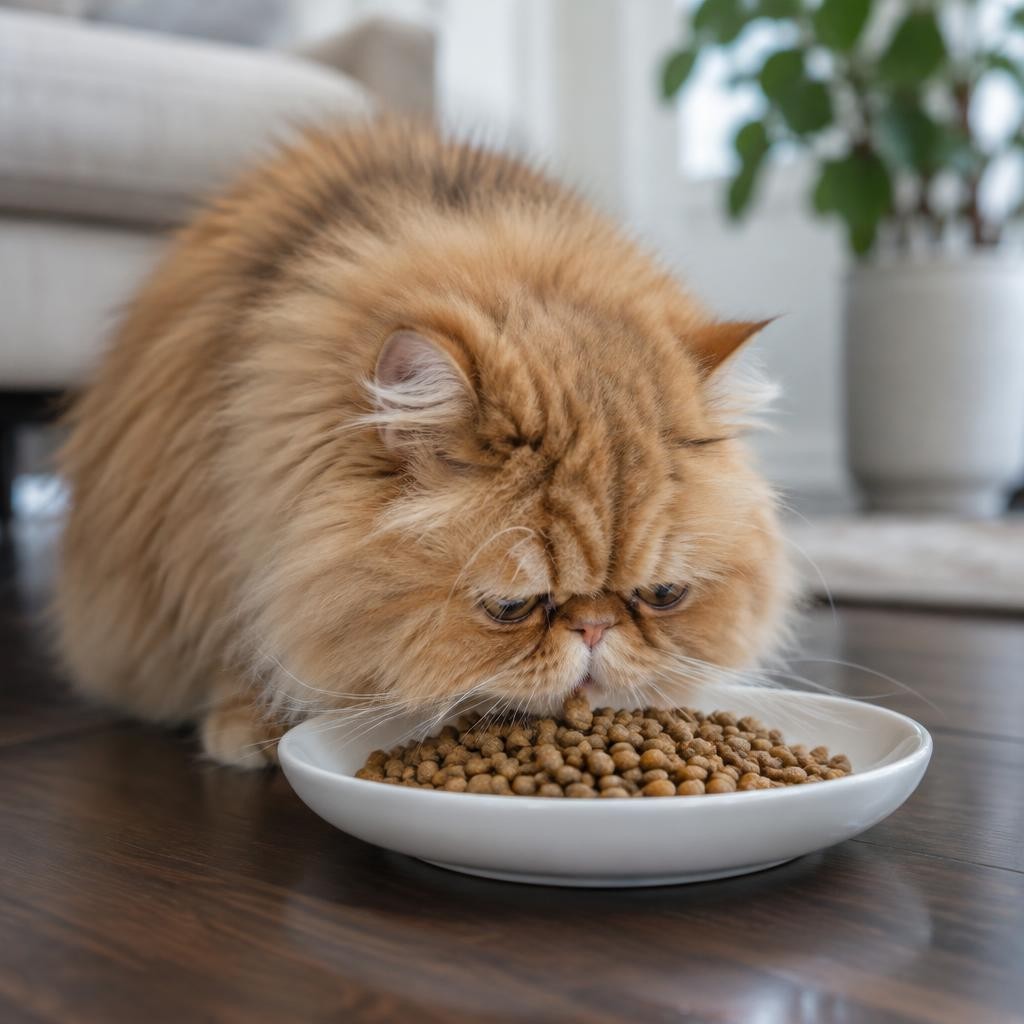
Some flat-faced Persian cats find it hard to eat and breathe at the same time. Use wide, shallow bowls or flat plates so your Persian cat does not have to push its face into a deep bowl. Special kibble shapes designed for flat-faced felines can make eating easier. Offer meals in a calm place, and let your Persian cat eat at its own pace.
Choosing a Persian Kitten with Easier Breathing
If you are planning to buy a Persian kitten, think about face shape and breathing. Look for a kitten with open, not pinched, nostrils and quiet breathing while resting. Ask the breeder about the breathing health of the parents. Many families choose doll face Persian cats, which usually have a slightly longer nose and may have fewer breathing issues. A responsible breeder will be honest about the health of their Persian cats.
Conclusion
Breathing problems are a real concern for Persian cats, especially those with very flat faces. Snoring and mild noisy breathing may be normal for some felines, but open-mouth breathing, panting, fast breathing, and tiring quickly are signs that your Persian cat needs a vet check. Keep your home cool, clean, and calm, maintain a healthy weight, and avoid airway irritants. With the right care and support from your vet, most Persian cats can breathe comfortably and enjoy a happy, relaxed life.