
Buying guide
How to Choose a Good Persian Cats Breeder: Questions to Ask and Red Flags
Choosing where your kitten comes from is one of the most important decisions you will make as a future owner. A good breeder helps you start your journey with a healthy, friendly, and well-socialized kitten. A careless breeder, on the other hand, can sell kittens with hidden health problems, poor temperaments, and missing paperwork. Because Persian cats can have some inherited health conditions, finding a responsible Persian cats breeder is especially important. In this guide, you will learn how to find a good breeder, which questions to ask, what health tests to look for, and which warning signs mean you should walk away.
Why the Breeder Matters So Much
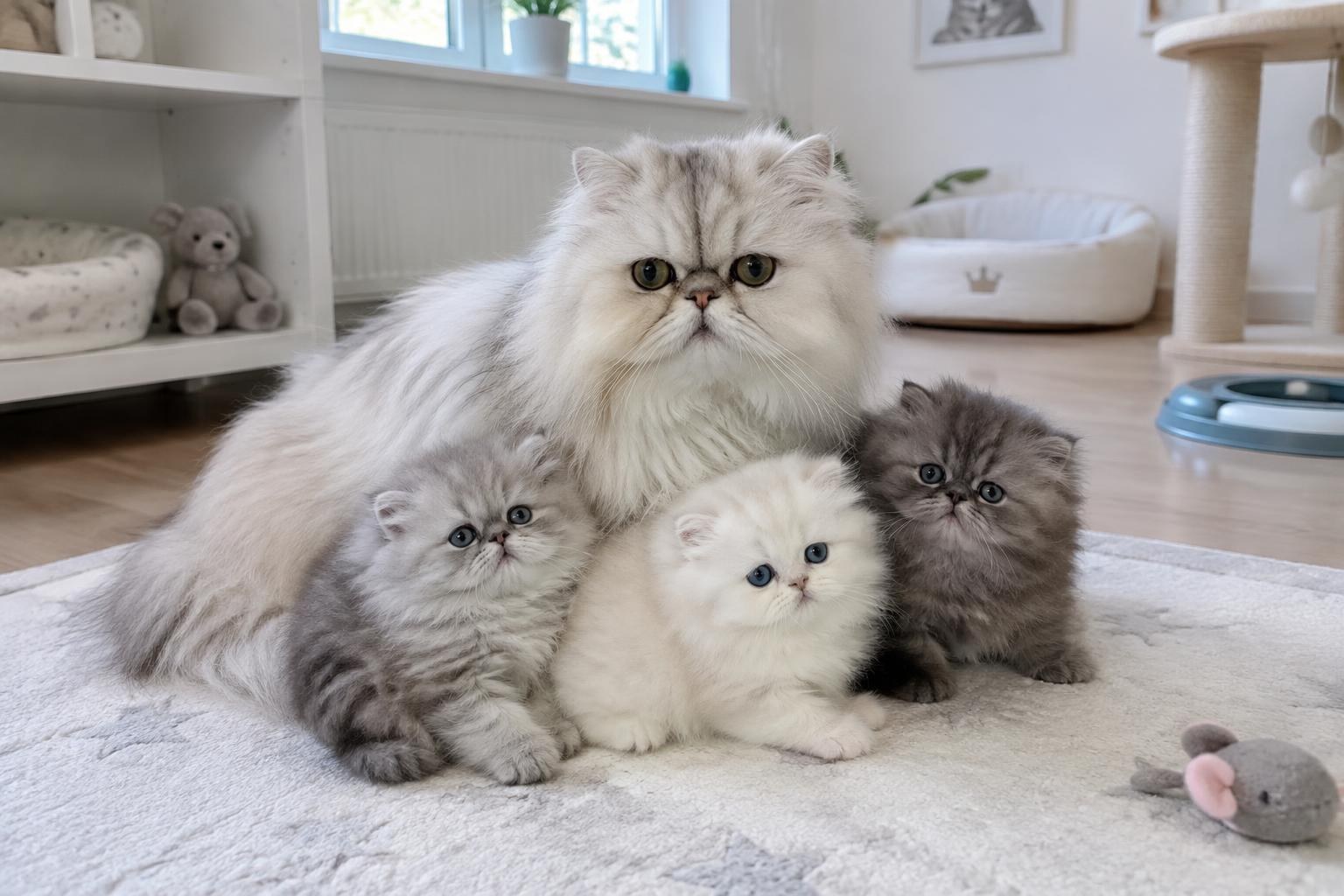
Persian cats are a pedigreed breed, which means their health and personality are strongly shaped by their parents and early life. A responsible breeder chooses healthy parent felines, tests them for inherited diseases, and raises kittens in a clean, loving home. Kittens raised this way are usually confident, gentle, and used to people and household sounds.
A poor breeder may focus only on money. They may breed felines too often, skip health tests, keep animals in crowded conditions, and sell kittens too young. These kittens may be shy or fearful and may have infections or inherited diseases that appear later. Taking time to find a good breeder protects both your future feline and your family.
Where to Start Your Search
A good place to start is with national or international feline registries and feline clubs. Many registries keep lists of registered breeders. Local feline shows are another excellent place to meet breeders, see their felines, and ask questions in person. Your vet may also know trusted breeders in your area.
Online searches and social media can help too, but be careful. Anyone can create an attractive website or social media page. Always check the breeder's details, read reviews, and plan to visit before making any decisions.
Signs of a Responsible Persian Cats Breeder
A responsible breeder cares deeply about the breed and about each kitten. They are happy to answer your questions and will often ask you many questions as well, because they want to be sure their kittens go to good homes.
A good breeder keeps a small number of felines in clean, comfortable conditions. The felines look healthy, with clean eyes, soft coats, and relaxed behavior. The breeder can show you health records for the parents and kittens and explain which health tests they use. They register their felines with a recognized feline association and can provide pedigree papers.
Responsible breeders do not let kittens leave too early. Most Persian kittens go to new homes at around 12 to 16 weeks of age, after they have been weaned, socialized, and given their first vaccinations. A good breeder also offers a written contract and promises to support you after you take your kitten home. Many will even take the feline back if you can no longer care for it.
Health Tests to Ask About
Because Persian cats can inherit certain diseases, health testing is a key sign of a responsible breeder. The most important test is the DNA test for polycystic kidney disease, often called PKD. Breeding felines should test negative for the PKD gene. Ask to see the test results for both parents.
Some breeders also have their breeding felines checked by a vet for heart disease, often with a heart scan, because hypertrophic cardiomyopathy can affect Persian cats. Some breeders check for eye conditions as well. Ask the breeder which tests they do and why. A good breeder will be open and proud to share this information.
Kittens should also have a vet check, deworming treatments, and at least their first vaccinations before going home. Ask for written records of all treatments.
Questions to Ask a Persian Cats Breeder
Asking the right questions helps you understand how the breeder works. You can ask how long they have been breeding Persian cats and why they chose this breed. Ask how many litters they have each year, since fewer litters usually means more attention for each kitten.
Ask whether the parents have been tested for PKD and other conditions, and if you can see the results. Ask whether you can meet the mother feline, and the father if he lives there. Ask where the kittens are raised. Kittens raised inside the family home are usually more comfortable with people and everyday noises.
Other useful questions include: What food are the kittens eating? What vaccinations and deworming have they had? At what age will the kitten be ready to go home? Is the kitten registered? What does the contract include? What support do you offer after I take the kitten home? Will you take the feline back if I cannot keep it?
Questions a Good Breeder May Ask You
Do not be surprised if a breeder asks you many questions. This is a good sign. They may ask about your home, your family, your work schedule, whether you have other pets, and whether you have owned Persian cats before. They may ask if you understand the grooming needs of Persian cats and whether you plan to keep the feline indoors. A breeder who asks nothing and only wants payment may not care where the kitten goes.
Visit the Cattery in Person
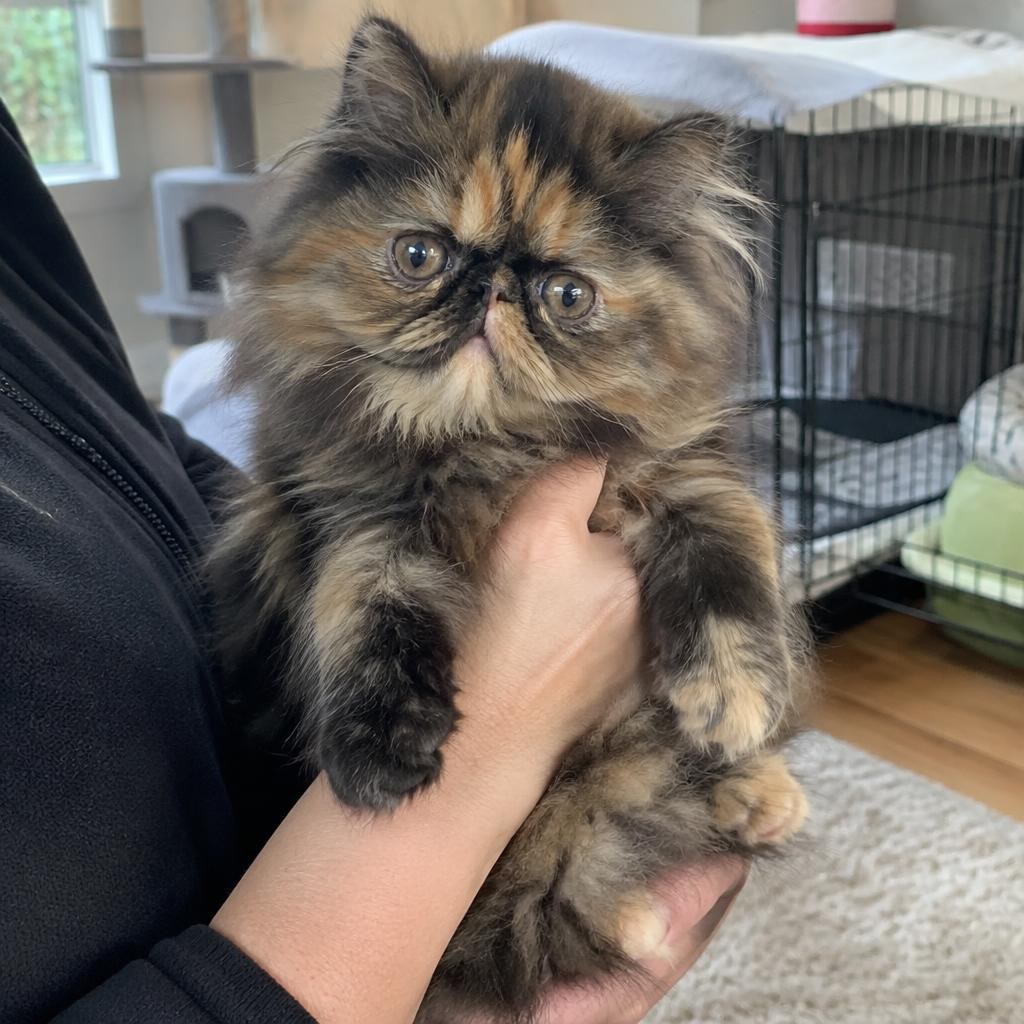
Whenever possible, visit the breeder's home or cattery before buying. Look around carefully. The space should be clean and should not have a strong smell. Felines should have fresh water, clean litter boxes, and comfortable places to rest. The adult felines should look healthy and well groomed.
Watch the kittens and their mother. Healthy kittens are curious, playful, and willing to come close to people. The mother feline should appear calm and friendly. If you cannot visit in person, ask for a live video call where the breeder shows you the kittens, the mother, and the living area.
How to Tell If a Kitten Is Healthy
When you meet a Persian kitten, look for clear, bright eyes with only a little tearing. The nose should be clean, without thick discharge. Breathing should be quiet and easy, without loud noise or open-mouth breathing while resting. The ears should be clean, and the coat should be soft and free of fleas, dirt, or bald patches.
A healthy kitten has a rounded, but not swollen, belly and moves easily. Check under the tail for signs of diarrhea. The kitten should be alert and interested in toys and people. A very quiet, sleepy, or thin kitten may be unwell.
Red Flags to Watch Out For
Some warning signs suggest that you should look for a different breeder. Be cautious if the seller has many different breeds for sale at once, always has kittens available, or will not let you visit or see the mother. Be careful if kittens are offered for sale younger than about 12 weeks.
Other red flags include no health records, no PKD testing, no registration papers, or a seller who avoids your questions. Watch out for sellers who pressure you to pay quickly, ask for full payment before you have seen the kitten, or want payment through unusual methods. A price that is far below normal is another common warning sign. Finally, if the felines look dirty, thin, sick, or frightened, walk away, even if you feel sorry for them. In that case, you may report your concerns to local animal welfare authorities.
Understanding the Contract
Many responsible breeders provide a written sales contract. This contract may explain the price, the kitten's health guarantee, vaccination details, and the breeder's promises. Pet-quality kittens are often sold with a spay or neuter agreement, meaning the kitten should not be used for breeding. Some contracts ask owners to keep the feline indoors and return it to the breeder if they cannot keep it. Read the contract carefully and ask questions about anything you do not understand before signing.
Preparing to Bring Your Kitten Home
Once you choose a breeder and a kitten, ask the breeder for a list of the food the kitten eats, the litter it uses, and its daily routine. Keeping these the same for the first few weeks helps your kitten settle in. Some breeders also send a blanket or toy that smells like the kitten's mother and littermates, which can comfort the kitten in its new home. Prepare a quiet room with a bed, litter box, food, water, and toys before your kitten arrives.
Conclusion
Finding a good Persian cats breeder takes time and patience, but it is worth every effort. A responsible breeder tests for inherited diseases, raises kittens with love, answers your questions honestly, and supports you after you bring your kitten home. By asking the right questions, visiting in person, and watching for red flags, you can find a healthy, happy Persian kitten who will fill your home with calm, loving companionship for many years.