Health guide
Common Health Problems in Persian Cats and How to Prevent Them
Persian cats are loved for their sweet faces, gentle personalities, and beautiful long coats. But the same features that make Persian cats so special can also make them more likely to develop certain health problems. Their flat faces, large eyes, and thick fur all need extra attention. The good news is that most health problems in Persian cats can be managed well, or even prevented, when owners know what to look for. In this detailed guide, you will learn about the most common health problems in Persian cats, the warning signs to watch for, and the simple daily habits that help keep your feline healthy and happy for many years.
Why Persian Cats Need Extra Health Care
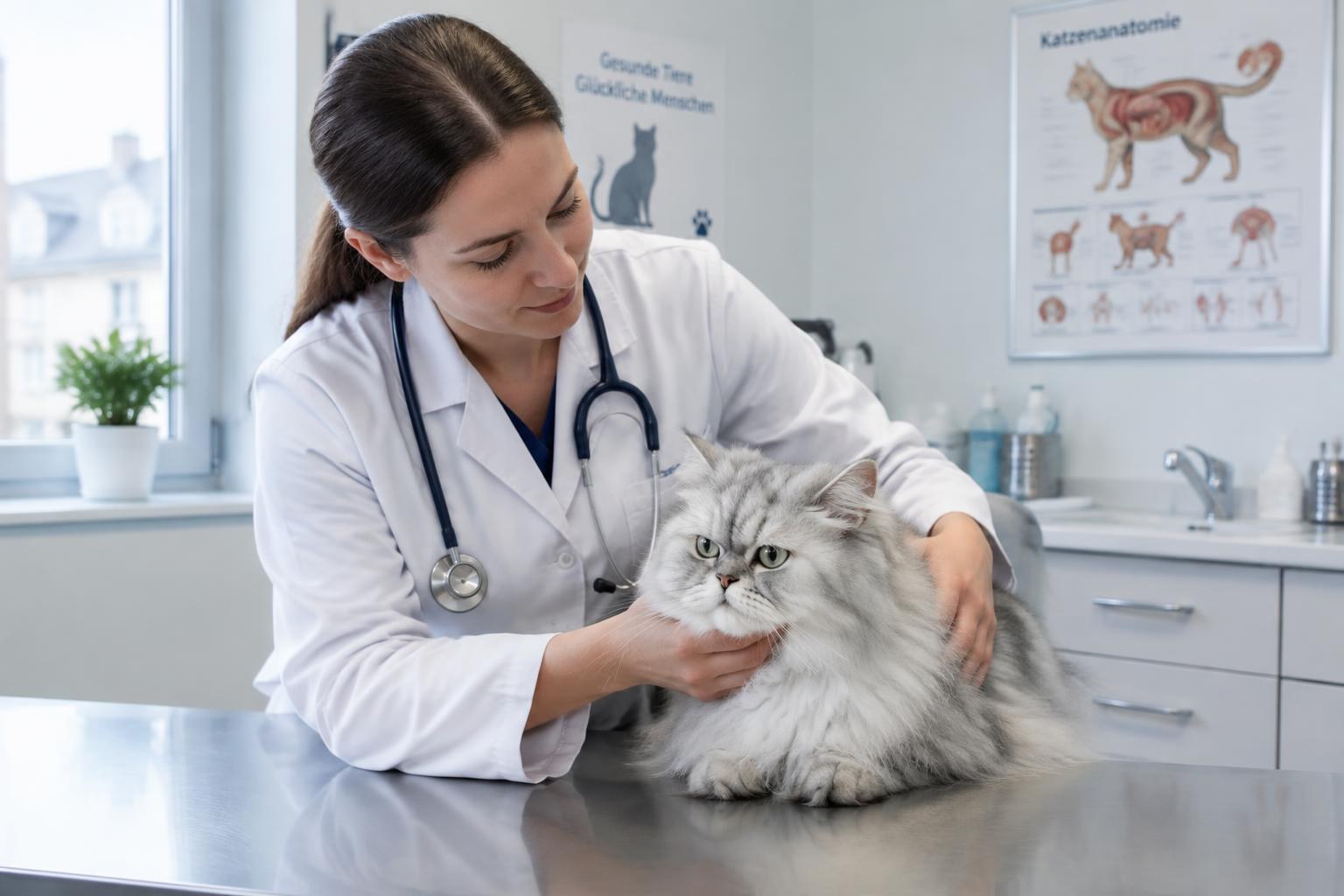
Every feline needs good food, fresh water, and regular visits to the veterinarian. Persian cats, however, have a few special features that affect their health. Many Persian cats have a very short nose and a flat face, which is called a "brachycephalic" face shape. This shape can affect breathing, the eyes, and even the teeth. Their long double coat can hide skin problems and form painful mats. Some Persian cats also carry genes for certain inherited diseases.
This does not mean that Persian cats are always sick. Many Persian cats live long, comfortable lives. It simply means that owners should be a little more careful and should notice small changes early, before they become big problems.
Eye Problems in Persian Cats
Eye problems are among the most common health issues in Persian cats. Because their eyes are large and their faces are flat, tears often do not drain properly. Instead, the tears spill over onto the face. This is called "epiphora," and it causes the brown or reddish tear stains that many owners notice under the eyes.
Some Persian cats also have a condition called "entropion," where the eyelid rolls inward and the eyelashes rub against the surface of the eye. This can cause pain, squinting, and redness. Persian cats can also develop eye infections, scratches on the surface of the eye, and a problem called corneal sequestrum, where a dark spot forms on the clear front part of the eye.
To protect your Persian cat's eyes, gently wipe the area around the eyes every day with a soft cloth or cotton pad dipped in plain warm water. Watch for warning signs such as thick yellow or green discharge, a cloudy eye, a dark spot on the eye, constant squinting, or your feline pawing at its face. If you see any of these signs, take your feline to the vet quickly, because eye problems can become serious in a short time.
Breathing Problems and Flat Faces
Many Persian cats, especially those with very flat faces, have narrow nostrils and a shorter airway. This group of problems is called brachycephalic airway syndrome. Felines with this condition may snore, breathe noisily, or breathe through the mouth after play or in hot weather.
Because breathing is harder for them, Persian cats can overheat more easily than other breeds. Keep your home cool and airy, especially in summer. Avoid long, intense play sessions on hot days, and never leave your Persian cat in a closed car or a hot room. If your feline breathes with its mouth open, pants, or seems to struggle for air, contact a vet right away. In some cases, a vet may suggest a small surgery to widen the nostrils and make breathing easier.
Polycystic Kidney Disease (PKD)
Polycystic kidney disease, often called PKD, is an inherited condition that has been found in many Persian cats and Persian-related breeds. In this disease, small fluid-filled sacs called cysts grow in the kidneys. Over time, these cysts can become larger and more numerous, and the kidneys slowly lose their ability to work properly.
Signs of kidney problems often appear later in life and may include drinking more water, urinating more often, weight loss, poor appetite, vomiting, and bad breath. There is no cure for PKD, but early diagnosis and good care can help a feline stay comfortable for longer. A vet may suggest a special kidney diet, extra water, and regular blood tests.
The best way to fight PKD is prevention. Responsible breeders use a DNA test to check their breeding felines and do not breed felines that carry the PKD gene. When you buy a Persian kitten, always ask the breeder whether the parents have been tested for PKD.
Dental Problems in Persian Cats
Because Persian cats have short, flat faces, their teeth are often crowded together in a small jaw. Some Persian cats also have a misaligned bite, where the upper and lower teeth do not meet properly. Crowded teeth make it easier for food and plaque to collect, which can lead to tartar, gum disease, and tooth pain.
Signs of dental problems include bad breath, red or swollen gums, drooling, chewing on one side of the mouth, and dropping food. Try to brush your Persian cat's teeth with a feline toothbrush and feline toothpaste a few times a week, and ask your vet to check the teeth at every visit. Never use human toothpaste, because it is not safe for felines.
Skin Problems and Ringworm
The long, thick coat of Persian cats can hide skin problems. Mats hold moisture and dirt close to the skin, which may cause redness, itching, and sore spots. Persian cats are also known to be more likely than many other breeds to get ringworm, which is not a worm at all but a fungal skin infection. Ringworm can cause round patches of hair loss, scaly skin, and broken hairs. It can also spread to people and other pets.
Daily brushing is the best way to keep skin healthy, because it lets you see and feel the skin regularly. If you notice bald patches, flaking, scabs, or constant scratching, visit the vet. Some skin problems in Persian cats are also caused by fleas or allergies, and a vet can find the exact cause.
Heart Disease
Some Persian cats can develop a heart condition called hypertrophic cardiomyopathy, or HCM. In this disease, the walls of the heart become thick, and the heart cannot pump blood as well as it should. HCM can be difficult to notice, because many felines hide their symptoms. Some signs include fast or heavy breathing, weakness, low energy, and sometimes sudden problems with the back legs.
Regular check-ups are important, because a vet may hear a heart murmur or an unusual heart rhythm during an examination. If your vet is concerned, they may suggest a heart scan to learn more.
Hairballs and Digestive Issues
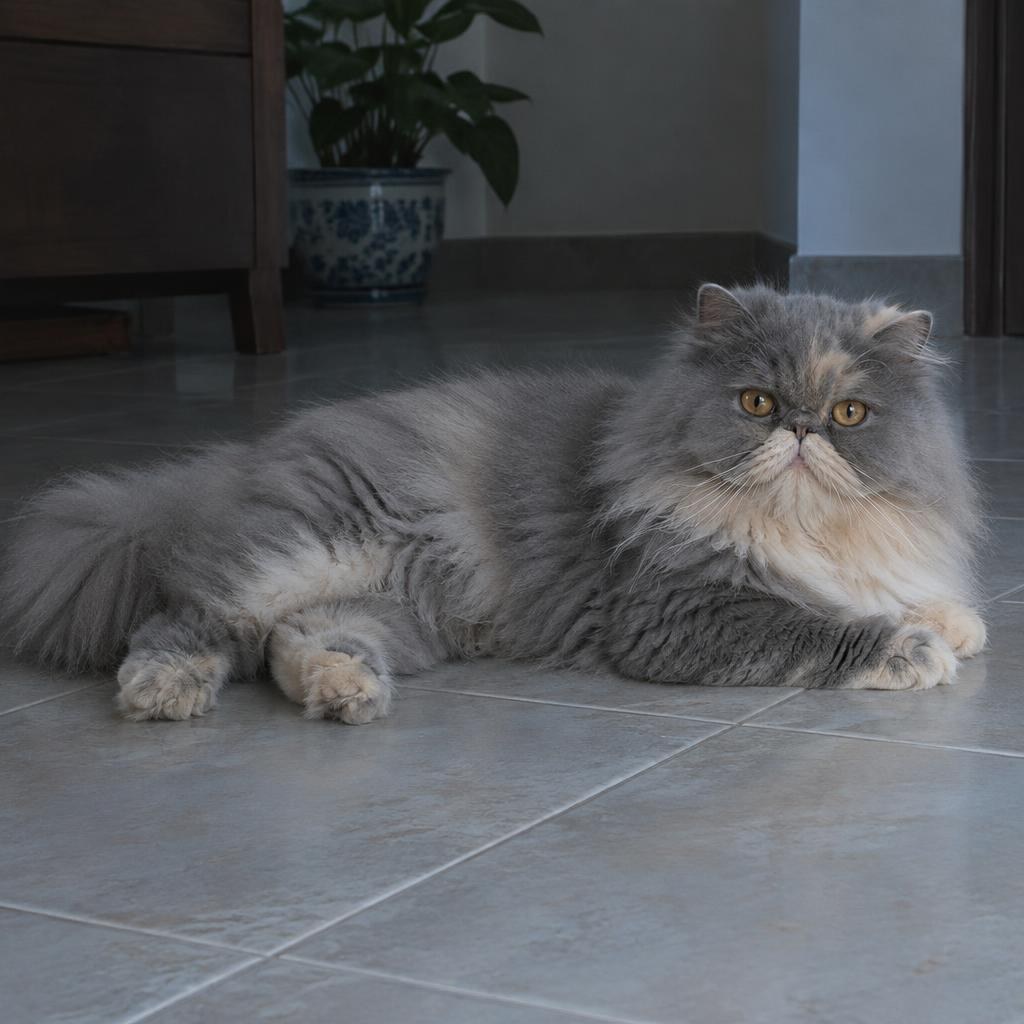
Persian cats swallow a lot of loose fur when they clean themselves. Some of this fur can collect in the stomach and form hairballs. Most felines cough up a hairball now and then, but frequent hairballs can cause vomiting, constipation, and loss of appetite. In rare cases, a large hairball can block the digestive system.
Daily brushing removes loose hair before your Persian cat can swallow it. A diet with enough fiber and plenty of fresh water can also help hair pass through the body more easily. If your feline tries to vomit without bringing anything up, stops eating, or has not passed stool for a couple of days, see a vet as soon as possible.
Weight Gain and Obesity
Persian cats are calm and relaxed, and many enjoy a quiet life on the sofa. Because they are not very active, they can gain weight easily if they eat too much. Extra weight puts pressure on the joints, heart, and breathing, which is already a concern for flat-faced felines. Overweight felines may also have trouble grooming themselves.
Measure your Persian cat's food carefully, limit treats, and play with your feline every day. You should be able to feel your feline's ribs under a thin layer of fat when you gently press on its sides. If you are not sure whether your feline is at a healthy weight, your vet can help you find the right amount of food.
Heat Sensitivity
Because of their thick coats and flat faces, Persian cats are more sensitive to heat than many other breeds. On hot days, they may become tired, pant, or look for cool floors to lie on. Heatstroke is a real danger for Persian cats. Keep your home cool with fans or air conditioning, provide plenty of fresh water, and keep your feline's coat free of mats so air can reach the skin. In very hot places, some owners ask a professional groomer for a shorter summer trim.
Signs That Your Persian Cat Needs a Vet
Felines are very good at hiding illness, so it is important to notice small changes. Take your Persian cat to the vet if you see changes in eating or drinking, sudden weight loss or gain, vomiting or diarrhea that continues, changes in litter box habits, breathing with an open mouth, discharge from the eyes or nose, hiding more than usual, or a sudden change in behavior. When in doubt, it is always better to call your vet and ask.
Simple Daily Habits to Keep Persian Cats Healthy
A healthy routine makes a big difference for Persian cats. Brush your feline every day to prevent mats and hairballs. Clean the face and eyes gently each day. Feed a good quality diet in measured portions, and keep fresh water available at all times. Play with your feline for a few short sessions every day to keep it active. Keep the litter box clean so you can notice any changes in urine or stool.
Schedule a vet check-up at least once a year, and twice a year for older Persian cats. Keep vaccinations and parasite prevention up to date, as your vet advises. These small habits help you catch problems early and give your Persian cat the best chance for a long, healthy life.
Choosing a Healthy Persian Kitten
Good health starts before you even bring your kitten home. Choose a responsible breeder who tests parent felines for PKD, keeps felines in clean conditions, and is happy to answer your questions. Healthy kittens have clear eyes, a clean nose, a soft coat, and a curious, playful attitude. Ask for health records, vaccination details, and information about the parents. Some families also choose Persian cats with slightly less flat faces, often called "doll face" Persian cats, because they may have fewer breathing and eye problems.
Conclusion
Persian cats may need a little more health care than some other breeds, but they give back so much love and calm companionship. By understanding the common health problems in Persian cats, such as eye issues, breathing difficulties, kidney disease, dental problems, and skin conditions, you can take action early and keep your feline comfortable. Daily grooming, a healthy diet, regular vet visits, and plenty of gentle attention are the keys to a long and happy life for your Persian cat. This article is for general information only, so always ask your veterinarian for advice about your own feline's health.