
Senior care
Persian Cats Lifespan: How Long They Live and How to Care for Senior Felines
When you welcome one of the beautiful Persian cats into your home, you hope to share many happy years together. One of the most common questions new owners ask is, "How long do Persian cats live?" The answer depends on many things, including genetics, diet, health care, and daily lifestyle. In this detailed guide, we will look at the average lifespan of Persian cats, the different stages of their life, the signs of aging, and the best ways to care for your Persian cat as it grows older.

What Is the Average Lifespan of Persian Cats?
Most Persian cats live around 12 to 17 years, and many live even longer with excellent care. Some well-cared-for Persian cats reach 18 or 20 years of age. Because Persian cats usually live indoors, they are protected from many dangers that shorten the lives of outdoor felines, such as traffic, fights with other animals, and certain infections.
However, Persian cats can also be affected by some inherited health problems, such as polycystic kidney disease, breathing problems linked to their flat faces, and heart disease. These conditions can affect how long a Persian cat lives. The good news is that careful breeding, regular vet visits, and a healthy lifestyle can greatly improve your feline's chances of a long life.
What Affects How Long Persian Cats Live?
Several factors work together to shape a Persian cat's lifespan. Genetics play a big role. Kittens from responsible breeders who test for inherited diseases often have a healthier start in life. Diet is another major factor, because good food supports every system in the body and keeps weight under control.
Indoor living, regular vet check-ups, vaccinations, parasite control, dental care, daily grooming, and a calm, low-stress home all help Persian cats live longer. Spaying or neutering may also support long-term health and can reduce the risk of certain diseases. Finally, love and attention matter too. Felines that feel safe and cared for are often more relaxed, and a relaxed feline is easier to keep healthy.
The Life Stages of Persian Cats
Like all felines, Persian cats go through different life stages, and each stage has its own needs.
The kitten stage lasts from birth to about 12 months. During this time, Persian kittens grow quickly, learn about the world, and need special kitten food, vaccinations, and gentle handling. This is also the best time to start daily grooming so your feline learns to enjoy it.
The young adult stage lasts from about 1 to 6 years. Your Persian cat is now fully grown, healthy, and at its most playful as an adult. This is the time to keep up good routines with diet, play, grooming, and yearly vet visits.
The mature adult stage lasts from about 7 to 10 years. Your feline may slow down a little and may be more likely to gain weight. Watch for early signs of dental disease, kidney changes, or joint stiffness.
The senior stage usually starts from about 11 years and onward. Senior Persian cats need extra care, more frequent vet visits, and small changes around the home to keep them comfortable.
Signs That Your Persian Cat Is Getting Older
Aging happens slowly, so the signs can be easy to miss. An older Persian cat may sleep more and play less. It may move more slowly, have trouble jumping onto furniture, or seem stiff after resting. Some felines gain weight, while others lose weight and muscle, especially along the back and back legs.
You might also notice changes in the coat, which may become thinner, drier, or more likely to mat because your feline does not groom itself as well. Senior Persian cats can develop cloudy eyes, reduced hearing, or dental problems. Some older felines become more vocal at night or seem a little confused. Any sudden change in behavior, appetite, thirst, or litter box habits should be checked by a vet, because these may be signs of illness rather than normal aging.
Health Problems in Older Persian Cats
Senior Persian cats are more likely to develop certain health conditions. Kidney disease is common in older felines, and Persian cats may also have inherited kidney problems. Signs include drinking more water, urinating more, weight loss, and poor appetite.
Arthritis, or joint pain, can make it harder for older felines to jump, climb, or use a high-sided litter box. Dental disease can cause pain and make eating difficult. Other conditions seen in older felines include an overactive thyroid gland, diabetes, heart disease, and high blood pressure. Many of these conditions can be managed well if they are found early, which is why regular vet check-ups are so important for senior Persian cats.
Vet Care for Senior Persian Cats
Once your Persian cat reaches its senior years, it is wise to visit the vet every six months instead of once a year. During these visits, the vet may check your feline's weight, teeth, heart, eyes, and joints. Blood tests, urine tests, and blood pressure checks can help find hidden problems early.
Keep a small notebook of your feline's eating, drinking, weight, and behavior. This information can be very helpful for your vet. If your senior Persian cat takes medicine, follow the instructions carefully and never give human medicine without your vet's advice, because many human medicines are poisonous to felines.
Feeding a Senior Persian Cat
Older Persian cats may need a change in diet. Senior feline foods are often easier to digest and may contain nutrients that support joints, kidneys, and overall health. Some senior felines need fewer calories because they are less active, while others need more calories because they have trouble keeping weight on.
Wet food is often helpful for older Persian cats, because it adds moisture and is soft and easy to eat for felines with dental problems. Offer smaller meals more often if your feline has a small appetite. Keep fresh water in several places around the home, and consider a water fountain to encourage drinking. If your vet recommends a special diet for a health condition, follow it closely.
Grooming Your Senior Persian Cat
Grooming becomes even more important as Persian cats age. Older felines often cannot reach all parts of their body because of stiff joints, so mats can form more easily, especially around the back end and back legs. Brush your senior Persian cat gently every day, using a soft brush and a wide-tooth comb. Keep sessions short and comfortable, and support your feline's body during grooming.
Older felines' nails can become thick and overgrown because they scratch less. Check the nails every week or two and trim them carefully. A professional groomer can give a gentle sanitary trim to keep the back end clean and comfortable. Always be extra gentle, because older felines have thinner skin.
Making Your Home Comfortable for an Older Feline
Small changes to your home can make life much easier for a senior Persian cat. Provide soft, warm beds in quiet places, because older felines often feel the cold more. Use a litter box with low sides so your feline can step in easily. Place food, water, and litter boxes on the same floor where your feline spends most of its time, so it does not need to climb stairs.
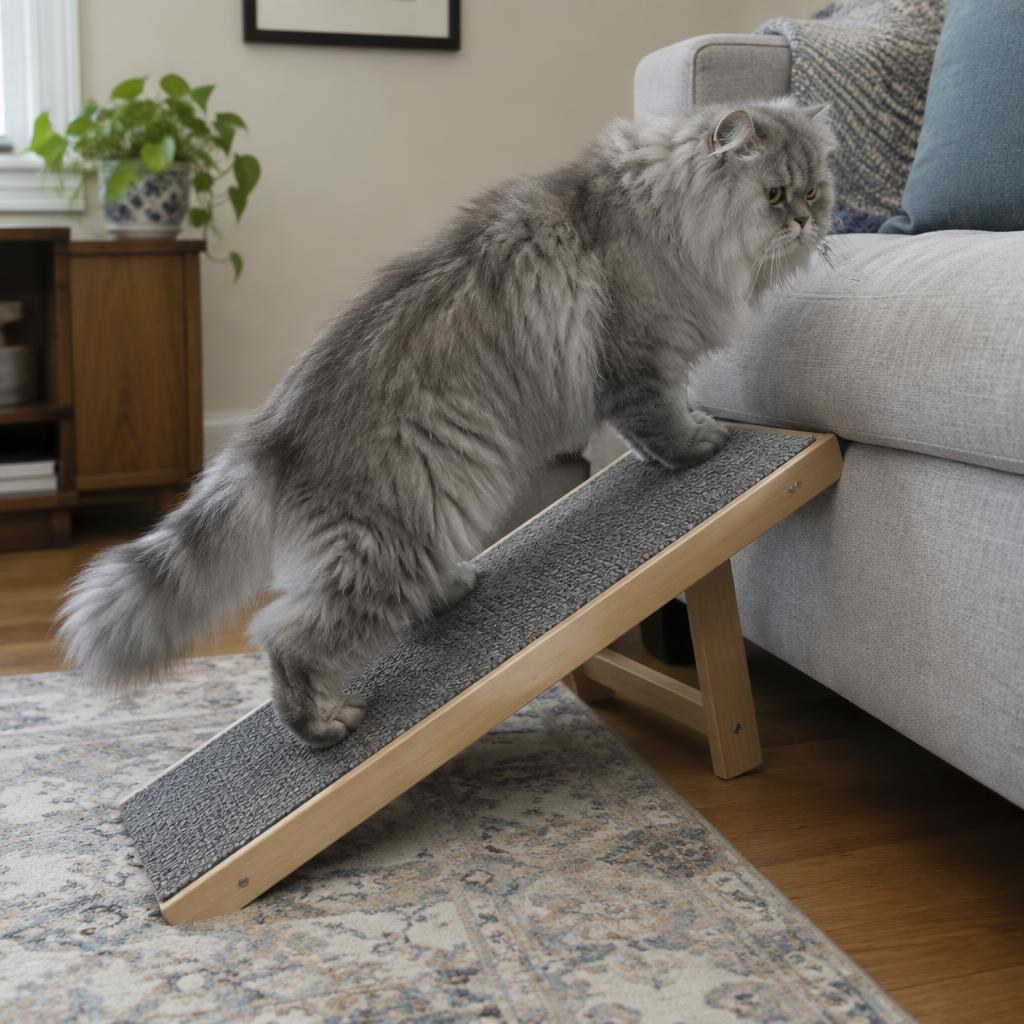
Add pet steps or a small stool to help your feline reach its favorite window or sofa. Use rugs or mats on slippery floors so your feline does not slide. Keep the home routine steady and calm, because older felines can find sudden changes stressful.
Keeping a Senior Persian Cat Active
Even older Persian cats benefit from gentle play. Short sessions with a feather wand or soft ball help keep the muscles strong, the joints moving, and the mind active. Puzzle feeders and simple treat games can also keep your feline mentally sharp. Let your senior feline set the pace, and stop when it seems tired. A few minutes of play twice a day is often enough.
Tips to Help Persian Cats Live Longer
You can help your Persian cat enjoy a long and healthy life with a few simple habits. Keep your feline indoors and safe. Feed a complete and balanced diet in the right amount, and keep your feline at a healthy weight. Brush your feline daily and clean its face regularly. Care for its teeth. Visit the vet at least once a year, and twice a year when your feline is older. Keep vaccinations and parasite prevention up to date. Offer fresh water, daily play, and a calm, loving home.
Saying Goodbye
One of the hardest parts of loving Persian cats is knowing that, one day, we will have to say goodbye. When a feline is very old or has a serious illness, your vet can help you understand your feline's quality of life and your choices. Many owners find comfort in knowing they gave their feline a long, happy, and loved life. It is completely natural to feel deep sadness after losing a pet, and talking with friends, family, or a pet loss support group can help.
Conclusion
Persian cats usually live around 12 to 17 years, and many live even longer with loving care. Their lifespan depends on genetics, diet, health care, and a safe indoor life. As your Persian cat moves from kitten to adult to senior, its needs will change, and paying attention to those changes can make a big difference. With regular vet visits, good food, gentle grooming, and a comfortable home, you can give your Persian cat the best chance at a long, healthy, and happy life by your side.