
Summer care
Persian Cats in Summer: How to Keep Your Feline Cool and Safe in Hot Weather
Summer can be a difficult season for Persian cats. With their thick double coat and flat faces, Persian cats feel the heat much more than many other breeds. In hot countries or during a heatwave, a Persian cat can become uncomfortable, tired, and even seriously ill if it gets too hot. The good news is that there are many simple ways to help your feline stay cool and safe. In this guide, you will learn why Persian cats struggle in hot weather, how to spot the warning signs of heat stress and heatstroke, and practical tips to keep your Persian cat comfortable all summer long.
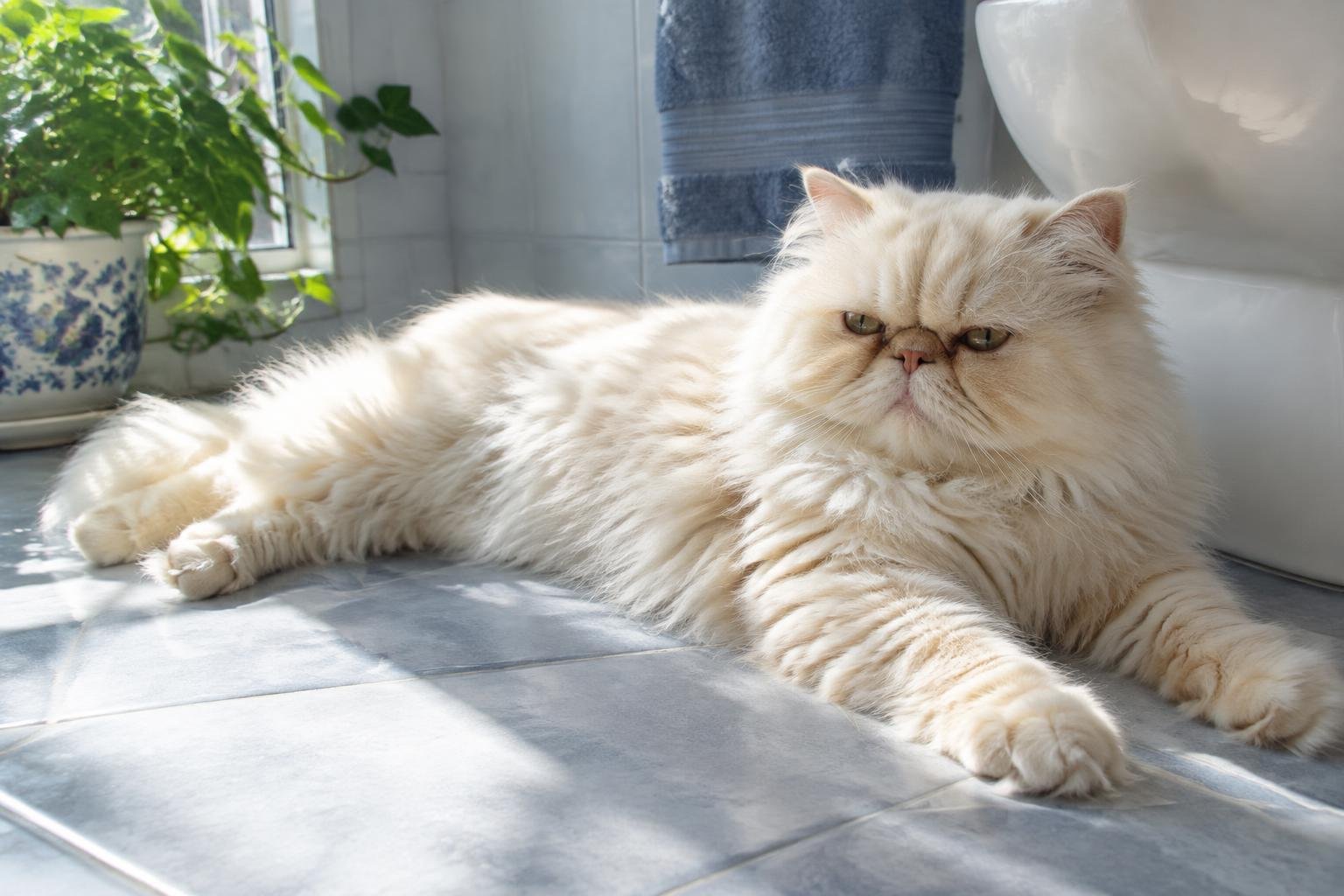
Why Persian Cats Are Sensitive to Heat
There are two main reasons why Persian cats are more sensitive to heat than many other felines. The first is their coat. Persian cats have a very long outer coat and a thick, dense undercoat. This fur is wonderful for keeping warm in winter, but in summer, it traps heat close to the body.
The second reason is their face shape. Many Persian cats have a flat, short face, which is called a brachycephalic face. Felines cool themselves partly through breathing, and a short nose and narrow airways make this harder. When the weather is hot, flat-faced felines must work harder to breathe and cool down. This makes them more likely to overheat.
Felines also have very few sweat glands, mostly on their paw pads, so they cannot cool down by sweating like humans do. Instead, they rely on resting, finding cool spots, grooming, and sometimes panting.
Signs Your Persian Cat Is Too Hot
It is important to recognize when your Persian cat is feeling the heat. Early signs of heat stress include restlessness, looking for cool places such as tiles or bathroom floors, stretching out flat, drinking more water, sleeping more, and grooming more than usual.
More serious signs include panting or breathing with the mouth open, fast breathing, drooling, red gums or tongue, weakness, stumbling, vomiting, and confusion. A feline that collapses, has a seizure, or cannot stand needs emergency help.
What Is Heatstroke?
Heatstroke happens when a feline's body temperature rises too high and the body can no longer cool itself. It is a life-threatening emergency. Persian cats are at higher risk because of their coat and face shape. Heatstroke can happen in a hot room, a car, a closed carrier in the sun, or even inside a home without enough air flow on a very hot day.
What to Do If Your Persian Cat Overheats
If you think your Persian cat is overheating, act quickly and calmly. Move your feline to a cool, shaded, well-ventilated place right away. Turn on a fan or air conditioning. Wet your feline's fur gently with cool water, not ice-cold water, especially on the paws, belly, and around the neck. You can also place a damp, cool towel near your feline. Offer small amounts of fresh water, but do not force your feline to drink.
Then contact your vet immediately, even if your feline seems to recover. Heatstroke can cause hidden damage to the organs, so a vet check is always needed. Do not use ice or very cold water, because cooling too fast can cause other problems.
Keep Your Home Cool
The best way to protect Persian cats in summer is to keep your home cool. Use air conditioning if you have it, and set it to a comfortable temperature, especially during the hottest hours of the day. Fans help air move around the room, but remember that fans work better for humans than for felines, since felines do not sweat. Still, moving air helps.
Close curtains or blinds during the day to keep the sun out. Keep windows open at night or early morning for fresh air if it is cooler outside, but make sure windows have secure screens so your feline cannot fall or escape. If power cuts are common in your area, plan ahead with battery-powered fans or a cool room on the lowest floor of your home.
Create Cool Resting Spots
Persian cats are experts at finding cool places, but you can help them. Leave bathroom doors open, because cool tiles are a favorite spot. Place a cooling mat made for pets in your feline's favorite area. You can also wrap a frozen water bottle in a towel and place it near your feline's bed, so your feline can lie near it if it wants.
Put your feline's bed in a shady area away from windows that get strong afternoon sun. Raised beds or mesh beds allow more air to flow underneath. Replace heavy, fleecy blankets with light cotton covers during the summer months.
Keep Your Persian Cat Hydrated
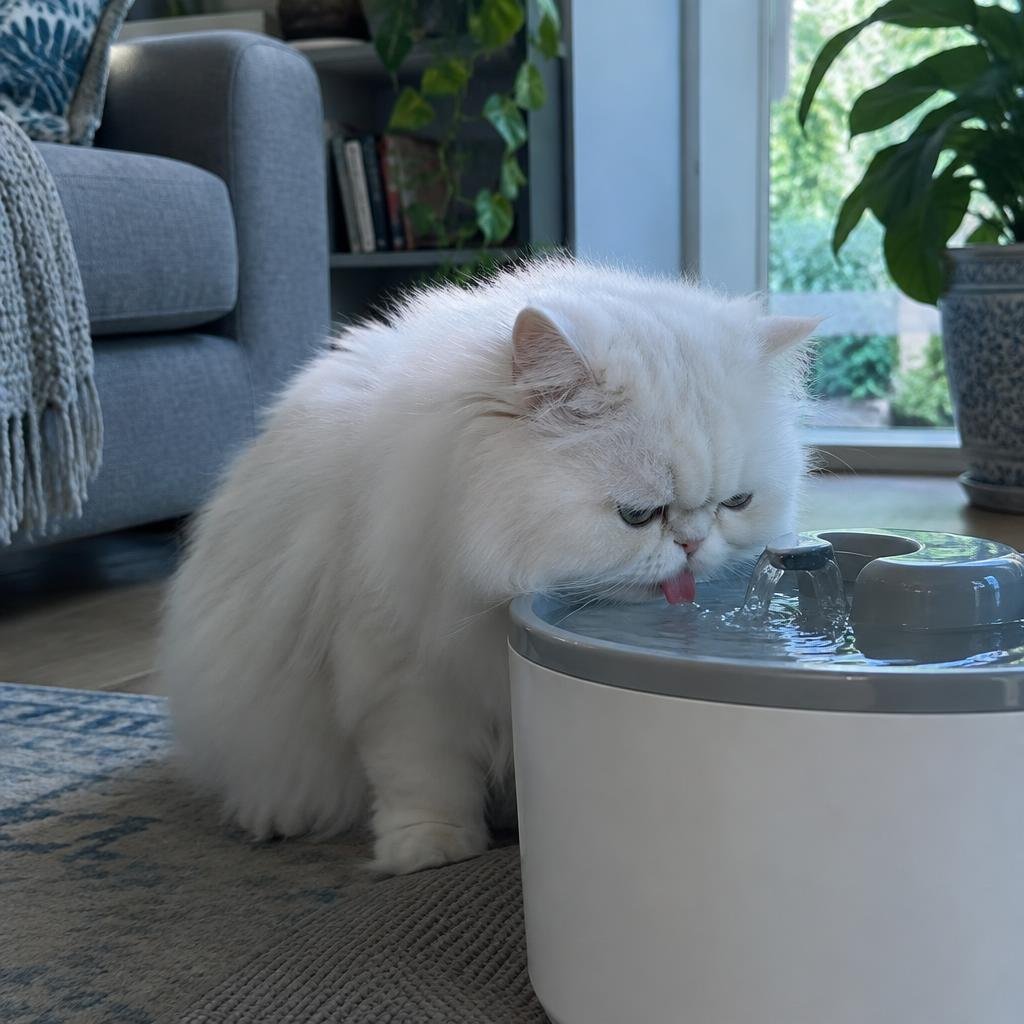
Water is essential in hot weather. Place several bowls of fresh, cool water around your home, and change the water often. Some Persian cats enjoy drinking from a feline water fountain, because moving water stays fresher and more interesting. Adding a few ice cubes to the water bowl can keep the water cool, and some felines enjoy playing with them.
Wet food is another great way to add moisture to your feline's diet. Many owners give more wet food during summer. Watch for signs of dehydration, such as a dry mouth, sunken eyes, low energy, or skin that stays up when gently lifted at the back of the neck.
Grooming in Summer
A clean, tangle-free coat is cooler than a matted coat. Mats trap heat and moisture close to the skin and stop air from reaching the body. Brush your Persian cat every day in summer to remove loose undercoat and keep air moving through the fur.
Some owners choose a summer trim or "lion cut" for their Persian cats in very hot climates. A shorter coat can help some felines feel more comfortable, and it makes grooming easier. However, a trim should only be done by an experienced groomer. Do not shave your feline's skin completely bare, because the coat also protects the skin from the sun. Felines with very short fur or light skin can get sunburned, especially on the ears and nose.
Adjust Play and Activity
Persian cats are calm by nature, but they still enjoy play. In summer, schedule play sessions for the cooler times of day, such as early morning or late evening. Keep sessions short and gentle, and stop if your feline starts to breathe fast or pant. Avoid playing in hot rooms or in direct sunlight.
Safe Travel in Hot Weather
Never leave your Persian cat alone in a car, not even for a few minutes. The temperature inside a car can rise very quickly on a warm day, even with the windows slightly open. If you must travel with your feline in summer, travel during cooler hours, keep the car air-conditioned, and never place the carrier in direct sunlight. Cover part of the carrier with a light cloth for shade, but make sure air can still flow.
If you are going to the vet, keep the trip as short and cool as possible. Bring water, and check your feline often during the journey.
Food and Feeding in Summer
Some felines eat less in hot weather, which is normal as long as they are still drinking and staying active. Offer smaller meals during cooler times of day. Do not leave wet food out for long in the heat, because it can spoil quickly and attract insects. Remove uneaten wet food after about 20 to 30 minutes, and keep food bowls clean.
Parasite Protection in Summer
Warm weather is also the season when fleas and other parasites are more active. Fleas can hide easily in the long coat of Persian cats. Ask your vet about safe parasite prevention, and check your feline's coat during daily brushing. Never use flea products made for dogs on felines, because some ingredients are very dangerous for felines.
Special Care for Kittens and Older Felines
Persian kittens, senior felines, overweight felines, and felines with heart or breathing problems are at even higher risk in hot weather. Watch them more closely, keep them in the coolest room of the house, and make sure they always have water and a cool place to rest. Talk to your vet before summer begins if your feline has any health conditions.
Conclusion
Summer can be challenging for Persian cats, but with a little planning, your feline can stay cool, safe, and happy. Keep your home cool and shaded, provide plenty of fresh water and cool resting spots, brush your feline daily to prevent heat-trapping mats, and adjust playtime to cooler hours. Learn the signs of heatstroke and act quickly if your feline overheats. With care and attention, your Persian cat can relax comfortably through even the hottest days of the year.