
Vet care
Persian Cats Vaccinations and Vet Care: A Complete Health Schedule
Regular vet care is one of the best gifts you can give your feline. Vaccinations, parasite control, and yearly check-ups help protect Persian cats from serious diseases and catch health problems early, when they are easier to treat. Because Persian cats can be prone to certain breed-related health issues, a good relationship with your vet is especially important. In this guide, you will learn about vaccinations for Persian cats, a simple health schedule for kittens, adults, and seniors, and other essential vet care that keeps your feline healthy throughout its life.
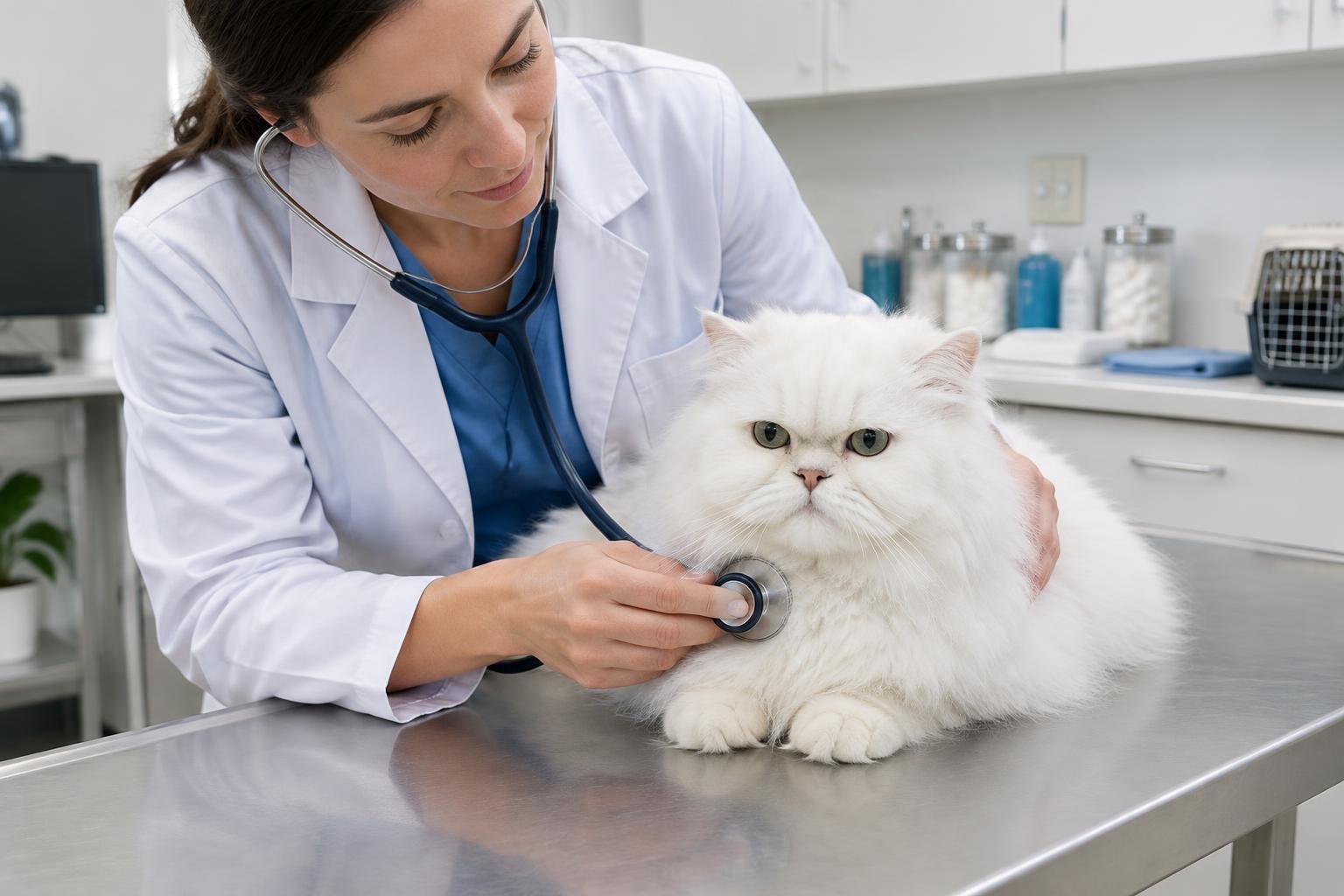
Why Vet Care Is Important for Persian Cats
Felines are very good at hiding illness. By the time a feline shows clear signs of being sick, the problem may already be serious. Regular vet visits allow your vet to examine your Persian cat from nose to tail and find small problems before they grow.
Persian cats have some special health concerns, including eye problems, breathing difficulties linked to their flat faces, dental crowding, skin conditions, and inherited kidney disease. A vet who knows your feline well can watch for these issues and give advice specific to your feline.
What Are Vaccinations?
Vaccinations help your feline's immune system learn to recognize and fight certain diseases. A vaccine contains a harmless form or part of a germ. When your feline receives it, its body makes protection, so that if it meets the real disease later, it can fight it off more easily or become less sick.
Vaccinations have saved the lives of millions of felines. Even indoor Persian cats can be exposed to some diseases, because germs can come into the home on shoes, clothes, or other pets, or during a vet visit, grooming appointment, or boarding stay.
Core Vaccines for Persian Cats
Core vaccines are recommended for all felines, because the diseases they protect against are common, serious, or both. The main core vaccine for felines is often called the "FVRCP" vaccine, which protects against three diseases.
Feline panleukopenia, also called feline distemper, is a very serious and highly contagious disease that affects the gut and immune system. It can be deadly, especially for kittens.
Feline herpesvirus causes feline viral rhinotracheitis, a common upper respiratory infection that causes sneezing, runny eyes, and nasal discharge. It can also cause eye problems. Flat-faced Persian cats can find respiratory infections especially uncomfortable.
Feline calicivirus is another cause of upper respiratory infection and can also cause mouth ulcers and fever.
Rabies vaccination is also considered core in many countries and may be required by law. Rabies is a deadly disease that can affect humans as well. Your vet will tell you whether rabies vaccination is required in your area.
Non-Core Vaccines
Non-core vaccines are given based on your feline's lifestyle and risk. For example, the feline leukemia virus (FeLV) vaccine is often recommended for kittens and for felines that go outdoors or live with felines that do. Other vaccines may be suggested in certain situations or regions. Your vet will help you decide which vaccines your Persian cat needs.
Vaccination Schedule for Persian Kittens
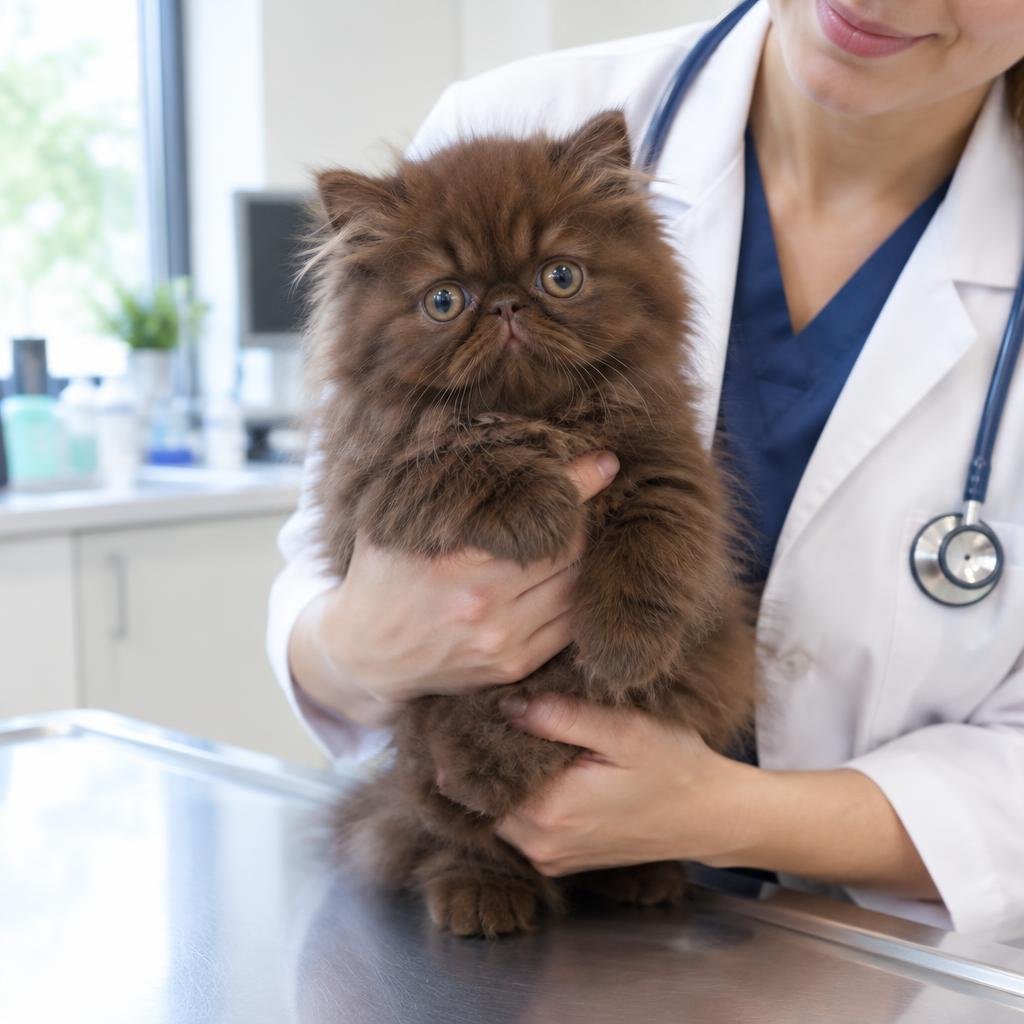
Kittens receive some protection from their mother's milk, but this protection fades over the first weeks of life. That is why kittens need a series of vaccinations.
A typical schedule starts at around 6 to 8 weeks of age, with booster vaccinations every 3 to 4 weeks until the kitten is around 16 weeks old or older. Rabies vaccination is usually given at around 12 to 16 weeks, depending on local rules. Your vet may adjust this schedule based on your kitten's health and background.
If you buy a Persian kitten from a breeder, ask for its vaccination record. A responsible breeder will usually have started the vaccination series before the kitten goes home. Bring this record to your first vet visit so your vet can plan the next steps.
Vaccination Schedule for Adult Persian Cats
After the kitten series, felines usually receive a booster around one year later. After that, adult felines receive boosters based on the type of vaccine, their lifestyle, and local guidelines. Some vaccines are given every year, while others may be given every three years. Your vet will create a schedule that suits your Persian cat.
Are Vaccines Safe?
Vaccines are generally very safe, and the benefits greatly outweigh the risks for most felines. Some felines may feel a little tired, have a mild fever, or have a small, tender swelling at the injection site for a day or two. Serious reactions are rare. If your feline has vomiting, swelling of the face, difficulty breathing, or collapse after a vaccine, contact your vet immediately. Tell your vet if your feline has had a reaction before.
Deworming Persian Cats
Intestinal worms are common in felines, especially kittens. Kittens can get worms from their mother, and felines can also get worms from fleas, contaminated soil, or hunting. Kittens are usually dewormed several times in their first months. Adult felines may need regular deworming depending on their lifestyle. Your vet will recommend a safe product and schedule.
Flea and Parasite Control
Fleas can hide easily in the long, thick coat of Persian cats. They cause itching, skin irritation, and can spread tapeworms. Some felines are allergic to flea bites and develop severe itching and skin sores. Ear mites, ticks, and other parasites can also affect felines.
Use a parasite prevention product recommended by your vet, and check your feline during daily brushing. Never use dog flea products on felines, because some contain ingredients that are very poisonous to felines.
Spaying and Neutering
Spaying (for females) and neutering (for males) are common surgeries that prevent unwanted litters. They can also reduce certain behaviors, such as spraying, yowling, and roaming, and may lower the risk of some health problems. Your vet will advise the best age for your Persian cat. Because Persian cats have flat faces, your vet will take extra care with anesthesia, which is another reason to choose an experienced vet.
Microchipping
A microchip is a tiny chip placed under the skin, usually between the shoulder blades. It carries a unique number linked to your contact details. If your Persian cat ever gets lost, a vet or shelter can scan the chip and contact you. Remember to keep your contact details up to date in the microchip database.
Yearly Health Check-Ups
Adult Persian cats should visit the vet at least once a year. During a check-up, the vet will weigh your feline, check its eyes, ears, teeth, heart, lungs, skin, and coat, and feel its belly and joints. This is also a good time to ask questions about diet, grooming, and behavior.
Senior Persian cats, usually from around 10 to 11 years of age, should visit the vet every six months. Your vet may suggest blood tests, urine tests, and blood pressure checks to find problems early, such as kidney disease, which is important in Persian cats.
Making Vet Visits Less Stressful
Many felines dislike vet visits. To help your Persian cat, train it to feel comfortable in its carrier by leaving the carrier out at home with a soft blanket and treats inside. Cover the carrier with a light towel during travel. Stay calm, speak softly, and bring your feline's favorite treats. Some vets offer "cat-friendly" appointments with quiet waiting areas.
Keep Good Health Records
Keep a folder or notebook with your feline's vaccination records, deworming dates, flea treatments, weight, and any health problems. This helps you remember when treatments are due and gives your vet useful information.
Conclusion
Vaccinations and regular vet care are essential for keeping Persian cats healthy and protected. Core vaccines protect against serious diseases, while deworming, flea control, spaying or neutering, microchipping, and yearly check-ups support lifelong health. Because Persian cats have special breed-related needs, working closely with a trusted vet is one of the best things you can do. Every feline is different, so always follow your own vet's advice for your Persian cat's vaccination and health schedule.