
Winter care
Persian Cats in Winter: Cold Weather Care Tips for a Warm and Healthy Feline
With their thick, luxurious coats, Persian cats look perfectly made for cold weather. And in many ways, they are. Persian cats usually handle cool temperatures much better than hot ones. But winter still brings its own challenges. Cold drafts, dry air from heaters, less activity, and a thicker coat that tangles easily can all affect your feline's health and comfort. In this guide, you will learn how to care for Persian cats in winter so that your fluffy friend stays warm, healthy, and happy until spring.
Do Persian Cats Feel the Cold?
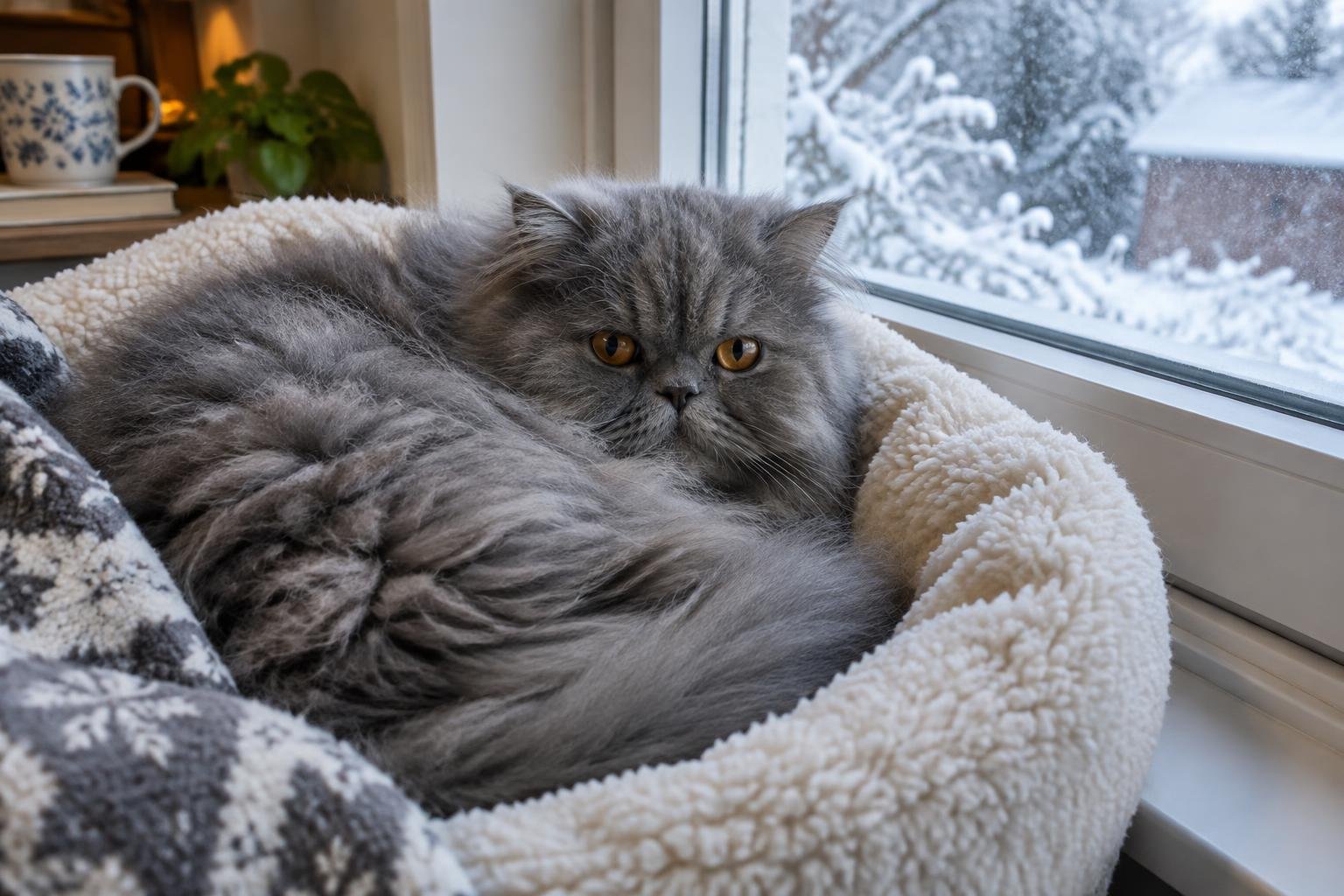
Persian cats have a dense undercoat and a long outer coat, which act like a warm blanket. Many Persian cats grow an even thicker coat as the weather gets colder. Because of this, a healthy adult Persian cat is usually comfortable in a normal indoor home during winter.
However, Persian cats are still indoor pets, and they are not built to live outside in cold weather. Kittens, senior felines, thin felines, and felines with health problems feel the cold more. A wet coat also loses its warmth quickly, so a damp Persian cat can become chilled. Keeping your feline indoors, dry, and away from drafts is the first step to a comfortable winter.
Signs Your Persian Cat Is Cold
Felines show they are cold in several ways. A cold Persian cat may curl up into a tight ball, tuck its paws and tail under its body, and look for warm spots near heaters, sunny windows, or under blankets. It may sleep more than usual, shiver, or feel cool to the touch, especially on the ears and paws. Some felines become less active or seek more cuddles to share your warmth. If your feline seems very cold, weak, or unusually sleepy, warm it gently and contact your vet.
Create Warm and Cozy Sleeping Spots
Persian cats love comfort, and winter is the perfect time to make their resting areas extra cozy. Place your feline's bed in a warm, draft-free spot, away from doors and windows that let in cold air. Beds with raised sides or covered "cave" beds help trap body heat. Add soft, washable blankets that your feline can snuggle into.
Raise the bed slightly off cold floors, especially tiles or stone. A bed placed on a small platform, shelf, or feline tree platform will stay warmer. Many Persian cats also enjoy a sunny window perch during the day, where they can soak up the winter sun.
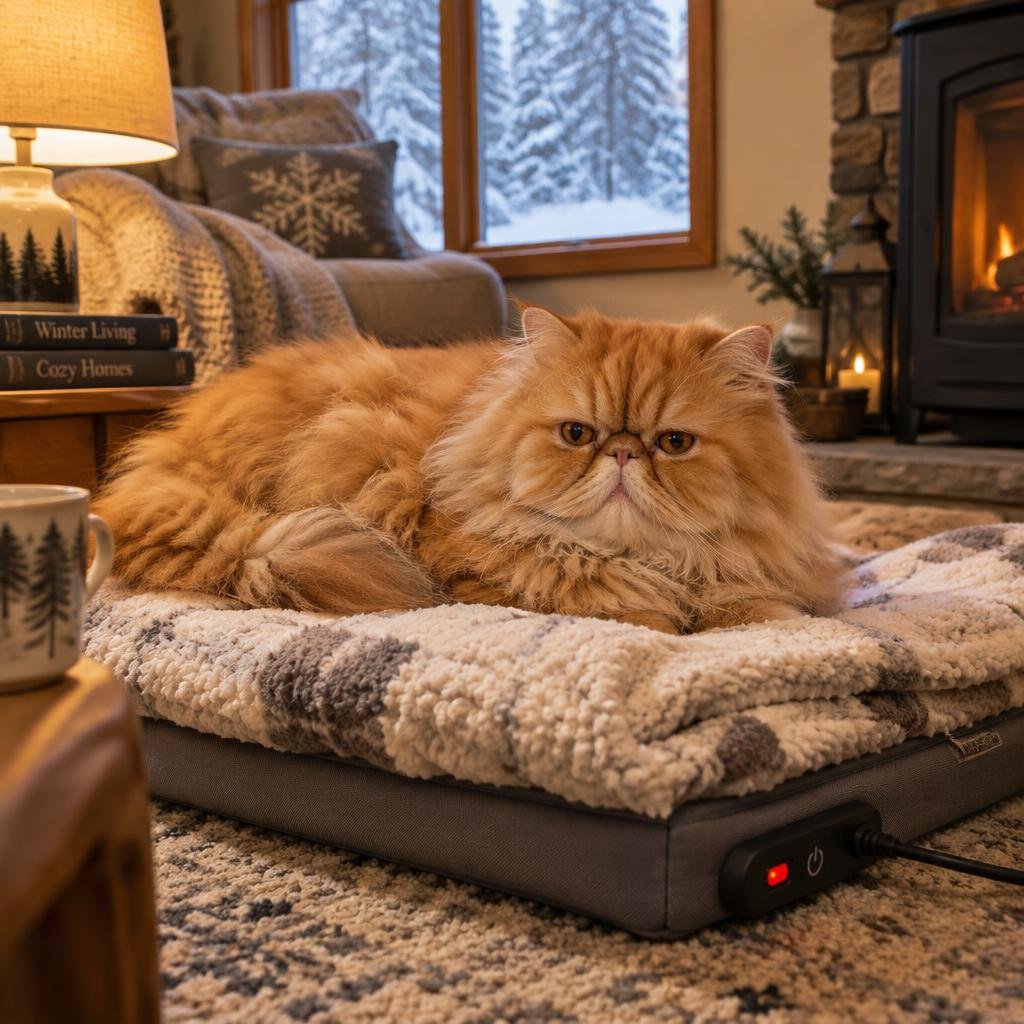
Self-warming pet beds, which reflect your feline's own body heat, are a safe choice. If you use an electric heated pad, choose one made for pets, with a low temperature and a chew-proof cord, and always leave space in the bed where your feline can move away from the heat.
Heating Safety Around Persian Cats
Heaters keep homes warm in winter, but they can also be dangerous for curious felines. Persian cats with long fur can get too close to heaters, fireplaces, or open flames without noticing, and their fur can burn or singe. Use heater guards, keep your feline away from open fires, and never leave a heater or fire on with your feline alone in the room.
Gas heaters must be well-ventilated and properly maintained to avoid carbon monoxide, which is dangerous for both people and pets. Keep cords from electric heaters and blankets out of reach so your feline cannot chew them. Also be careful with hot water bottles; wrap them in a thick towel and check that they are not too hot.
Grooming Persian Cats in Winter
Winter grooming is very important for Persian cats. Many felines grow a thicker coat in the cold months, and this extra fur can tangle more easily. Static electricity from dry indoor air can also make fur fly and stick together. Brush your Persian cat every day with a wide-tooth metal comb, working carefully through the undercoat to prevent mats. Mats are not only painful; they also reduce the coat's ability to keep your feline warm.
A light spray of water on the brush, or a grooming spray made for felines, can help reduce static. Pay special attention to areas behind the ears, under the legs, and around the belly.
Bathing in Cold Weather
You may still need to bathe your Persian cat in winter, but take extra care to keep it warm. Choose a warm room, close windows and doors to prevent drafts, and use comfortably warm water. After the bath, dry your feline completely with towels and a hair dryer on a low, warm setting while combing. Never let a Persian cat air-dry in winter, because its thick coat stays wet for a long time and your feline can easily become cold. Some owners bathe less often in winter and focus more on daily brushing and spot cleaning.
Dry Skin and Coat Care
Indoor heating can make the air dry, which may cause dry, flaky skin and a dull coat. You may notice more dandruff or more static in your feline's fur. A humidifier can add moisture to the air and help both you and your feline feel more comfortable. Make sure your feline eats a complete diet with healthy fats, such as omega-3 fatty acids, which support skin health. If dry skin, itching, or flaking continues, ask your vet, because skin problems can have many causes.
Hydration in Winter
Many owners think felines only need extra water in summer, but hydration is just as important in winter. Dry indoor air can cause felines to lose moisture, and some felines drink less when the weather is cold. Keep fresh water available at all times, and change it daily. Some felines prefer water that is at room temperature rather than cold water. Adding wet food to your feline's diet is a great way to increase moisture and support healthy kidneys, which is especially important for Persian cats.
Feeding in Cold Weather
Indoor Persian cats usually do not need much more food in winter, because they stay in a warm home. In fact, many felines become less active in winter and can gain weight if they eat the same amount but move less. Keep an eye on your feline's weight, and adjust portions if needed. Kittens, older felines, and very thin felines may need a little extra food to stay warm; ask your vet for advice.
Keeping Your Persian Cat Active
Winter days can be long and quiet, and many Persian cats become lazier than usual. Gentle daily play helps keep your feline's muscles strong, prevents weight gain, and keeps its mind happy. Use feather wands, soft balls, crinkle toys, and puzzle feeders. Rotate toys every few days to keep them exciting. A window perch where your feline can watch birds and falling rain or snow also provides great entertainment.
Winter Dangers to Watch For
Some common winter items can be dangerous for felines. Antifreeze has a sweet taste but is extremely poisonous to felines, even in tiny amounts. Store it safely and clean up any spills right away. Festive decorations, tinsel, ribbons, and string can be swallowed and cause serious problems. Some holiday plants, such as lilies, are very toxic to felines. Keep candles out of reach so your feline's long fur does not catch fire.
If your feline ever escapes outside in cold weather, remember that felines sometimes hide in warm places, such as under car hoods or near engines. Always knock on your car hood before starting it in cold weather if felines live nearby.
Health Care in Winter
Older Persian cats with arthritis may feel more stiff and sore in cold weather. Soft, warm beds, low steps, and easy-to-reach litter boxes help them stay comfortable. Talk to your vet if your older feline seems to have more pain in winter.
Felines can also catch respiratory infections, which may cause sneezing, runny eyes, nasal discharge, and poor appetite. Flat-faced Persian cats can find it especially hard to breathe and smell their food when their nose is blocked. If your feline shows signs of a cold, visit the vet. Keep vaccinations up to date to help protect against common infections.
Keeping the Litter Box Comfortable
Place the litter box in a warm, easy-to-reach area. If the box is in a cold garage, basement, or balcony, your feline may avoid using it. A warm, quiet location encourages good litter habits all winter long.
Conclusion
Persian cats are naturally well-suited to cool weather, but they still need extra care during winter. Provide warm, draft-free beds, keep them safe around heaters, and brush them daily to prevent mats. Make sure they drink enough water, stay active with gentle play, and eat the right amount of food. Watch for winter dangers such as antifreeze, candles, and toxic plants. With these simple steps, your Persian cat will stay warm, healthy, and content all winter long, curled up in its favorite cozy spot beside you.